

1. The Importance of Saving Money on Home Purchases and Closings
Buying a home is one of the biggest financial commitments many people will make in their lifetime. While it's exciting to find your dream home, the cost of purchasing and closing on a home can add up quickly. From down payments to closing costs, the expenses can be overwhelming. However, there are several ways you can save money on home purchases and closings. Let’s explore the strategies that can help you lower your costs and make the process more affordable.
2. How to Save on Your Down Payment
One of the most significant upfront costs when buying a home is the down payment. Typically, a down payment is around 20% of the home’s purchase price, but it doesn’t always have to be that high. Here are a few ways to save money on your down payment:
- Look for First-Time Homebuyer Programs: Many states and local governments offer first-time homebuyer programs that provide down payment assistance. These programs often come with reduced rates or grants, which can significantly lower your initial costs.
- Consider a Smaller Down Payment: While a 20% down payment is traditional, many lenders offer loans with smaller down payments. Programs like FHA loans allow for down payments as low as 3.5%, making homeownership more accessible without draining your savings.
- Gift Funds: Some lenders allow you to use gift funds from family members for your down payment. If you have family members willing to help, this can ease the financial burden of coming up with the full amount yourself.
By exploring these options, you can significantly reduce the amount you need for a down payment, making homeownership more affordable.

Avalon Brooklyn Bay / avalon brooklyn bay
1501 Voorhies Ave, Brooklyn, NY 11235, USA
3. Negotiating Closing Costs
3.1. Understanding Closing Costs
Closing costs are another significant expense when buying a home. These can include lender fees, title insurance, appraisal costs, and other administrative expenses. On average, closing costs range from 2% to 5% of the home’s purchase price. Understanding these costs is key to finding ways to save money.
- Lender Fees: Lender fees can include origination fees, application fees, and processing fees. It's essential to ask for a breakdown of these fees and compare offers from different lenders to ensure you’re getting the best deal.
- Title Insurance and Appraisal Fees: Title insurance and appraisal fees are also part of closing costs. These fees can vary depending on your location and the value of the home, but you can often shop around for better rates.
3.2. How to Lower Your Closing Costs
There are several strategies you can use to lower your closing costs:
- Shop Around for Lenders: Different lenders have different fee structures, so it’s important to get multiple quotes. Don’t just focus on the interest rate; compare closing costs to get a true sense of what each lender will charge.
- Negotiate with the Seller: In some cases, you can negotiate with the seller to pay a portion of the closing costs. This is known as seller concessions, and it’s worth asking about during negotiations.
- Ask About No-Closing-Cost Loans: Some lenders offer no-closing-cost loans, where the closing costs are rolled into the loan. While this can save you money upfront, be aware that it could increase your monthly payments or interest rate.
By being proactive and negotiating, you can reduce the burden of closing costs and save money during the buying process.
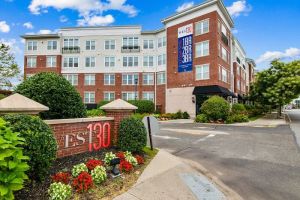
West 130 / 130 west hempstead apartments
West HempsteadNassau CountyNew York
130 Hempstead Ave, West Hempstead, NY 11552, USA
4. Other Tips for Saving on Home Purchases
4.1. Improving Your Credit Score
Your credit score plays a significant role in the mortgage rate you’ll receive. A higher credit score can help you secure a lower interest rate, which can save you thousands of dollars over the life of your loan. Here’s how you can improve your credit score before applying for a mortgage:
- Pay down high-interest debt
- Make sure to pay all your bills on time
- Check your credit report for any errors and dispute them
By improving your credit score, you can qualify for better loan terms, reducing the overall cost of purchasing your home.
4.2. Timing Your Purchase for the Best Deals
The timing of your home purchase can also impact how much you pay. The housing market tends to be more competitive in the spring and summer months, which can drive up prices. However, purchasing a home during the winter months can often mean lower prices and less competition. Take advantage of slower seasons to find better deals on homes.
5. Real-Life Case: How John Saved on His Home Purchase
John and his wife were looking to purchase their first home, but they were worried about the high costs associated with buying a house. They researched first-time homebuyer programs and applied for an FHA loan, which allowed them to make a 3.5% down payment. Additionally, they shopped around for lenders and found one that offered a lower interest rate, saving them hundreds of dollars each month. By negotiating with the seller to cover some of the closing costs, they were able to save even more. In the end, John’s smart decisions helped them secure their dream home without breaking the bank.
6. Conclusion
Saving money on home purchases and closings is possible with the right strategies. By understanding your options for down payment assistance, negotiating closing costs, improving your credit score, and timing your purchase, you can make the home buying process more affordable. If you're ready to start your home buying journey, visit Luxen House Realty Hub for expert advice, listings, and services that can help you make the most of your investment.






 Netter Real Estate4.0 (76 reviews)
 First Liberty Real Estate4.0 (20 reviews)
 Amanda Li at Winzone Realty Inc.3.0 (2 reviews)
 225 broadway4.0 (112 reviews)
 Calemine & Co. Real Estate4.0 (38 reviews)
 Madeline E. Dallek, Broker5.0 (8 reviews)
 Understanding the Role of Real Estate Agents in Transactions: Expert Insights
 How to Sell a Home Quickly Without Lowering the Price
 How to Make Smart Real Estate Investment Decisions: Tips for Success
 How to Save Money on Home Purchases and Closings
 How to Determine if a Property Is a Good Long-Term Investment
 Understanding Rental Property Cash Flow Calculations – A Practical Investor’s Guide