
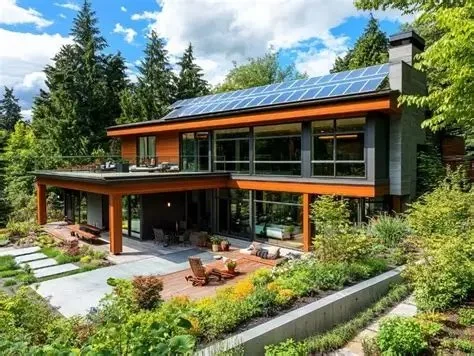
- energy-efficient-homes-definition-and-modern-living-shift
- green-home-benefits-cost-savings-and-long-term-value
- sustainable-housing-usa-real-case-studies-and-examples
- home-energy-savings-strategies-insulation-and-smart-tech
- eco-friendly-houses-environmental-impact-and-carbon-reduction
- real-life-home-upgrade-story-and-investment-return
- luxen-house-realty-hub-guidance-for-homebuyers-and-investors
- future-of-sustainable-housing-and-smart-city-integration
Understanding Energy-Efficient Homes in Modern American Living
Energy-efficient homes have become one of the most significant trends in the U.S. housing market. As utility costs rise and environmental awareness grows, more homeowners are shifting toward properties designed to reduce energy consumption while improving comfort. The idea behind energy-efficient homes is simple: use less energy to achieve the same or better living conditions.
This shift is not just about environmental responsibility—it is also about long-term financial planning and lifestyle improvement. From advanced insulation systems to smart thermostats and solar integration, modern homes are being redesigned with sustainability at the core.
Understanding the benefits of energy-efficient homes helps buyers, investors, and homeowners make informed decisions that can impact both monthly expenses and long-term property value.
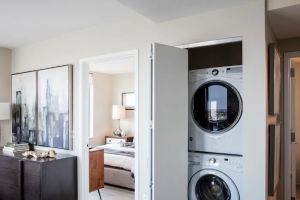
Avalon Brooklyn Bay / avalon brooklyn bay
1501 Voorhies Ave, Brooklyn, NY 11235, USA
Green Home Benefits and Long-Term Financial Advantages
Lower utility costs and monthly savings
One of the most immediate benefits of energy-efficient homes is reduced utility bills. Improved insulation, energy-efficient windows, and modern HVAC systems significantly reduce heating and cooling costs. In many U.S. households, heating and cooling account for nearly half of total energy consumption.
By upgrading to energy-efficient systems, homeowners often see noticeable reductions in monthly expenses within the first year. Over time, these savings accumulate, making such homes financially attractive even if initial purchase costs are slightly higher.

787 Seventh Avenue / 787 seventh avenue new york
New YorkNew York CountyNew York
787 7th Ave, New York, NY 10019, USA
Increased property value and market demand
Real estate trends show that sustainable housing USA properties tend to retain value better than traditional homes. Buyers are increasingly prioritizing energy performance ratings when making purchasing decisions.
Homes with solar panels, upgraded insulation, and smart energy systems often sell faster and at higher prices, reflecting growing demand in the market.
Sustainable Housing USA: Real Case Studies and Practical Examples
Case study: suburban home transformation in California
A family in Sacramento decided to upgrade their older suburban home with energy-efficient improvements, including solar panels, double-pane windows, and smart thermostats. Within one year, their electricity bills dropped by nearly 40 percent.
Beyond cost savings, the home became noticeably more comfortable, maintaining stable indoor temperatures during extreme summer heat. This transformation reflects how eco-friendly houses can significantly improve quality of life.
Urban apartment efficiency upgrades in New York
In New York City, a condominium building implemented energy-efficient lighting, upgraded HVAC systems, and improved insulation across units. Residents reported lower utility bills and improved indoor air quality, demonstrating that energy efficiency is not limited to standalone houses.
Home Energy Savings Through Smart Technology and Design
Smart thermostats and automated energy control
Smart home technology plays a major role in reducing energy consumption. Devices such as programmable thermostats learn user behavior and adjust temperature settings automatically to optimize efficiency.
This prevents unnecessary energy usage when homes are unoccupied, leading to measurable savings over time.
Insulation and building envelope improvements
Proper insulation is one of the most effective energy-efficient upgrades. Walls, roofs, and floors that are well insulated prevent heat loss during winter and reduce heat gain in summer.
High-performance windows and sealed building envelopes further enhance efficiency by minimizing air leakage, which is a common source of energy waste in older homes.
Eco-Friendly Houses and Environmental Impact Reduction
Lower carbon footprint and cleaner energy usage
Energy-efficient homes contribute directly to reducing carbon emissions. By using less electricity and incorporating renewable energy sources like solar panels, homeowners reduce their environmental impact significantly.
This is especially important in densely populated regions where residential energy consumption contributes heavily to greenhouse gas emissions.
Integration with renewable energy systems
Many modern eco-friendly houses are designed to integrate seamlessly with renewable energy systems. Solar panels, battery storage units, and even geothermal heating systems are becoming more common in new constructions.
These technologies allow homeowners to generate and store their own energy, reducing reliance on traditional power grids.
Real-Life Story: Homeowner Experience with Energy-Efficient Upgrades
A homeowner in Denver shared their experience upgrading a 1990s property into an energy-efficient home. Initially motivated by rising heating costs, they invested in insulation improvements, energy-efficient windows, and a modern HVAC system.
Within two winters, the home maintained stable temperatures with significantly reduced heating expenses. The homeowner also noted improved indoor comfort and reduced drafts, making the living environment more enjoyable year-round.
This example highlights how even older homes can be transformed into efficient, comfortable spaces with the right upgrades.
Luxen House Realty Hub and the Future of Smart Property Choices
Guidance for buyers and investors
Luxen House Realty Hub provides insights into identifying energy-efficient homes in the real estate market. For buyers, understanding energy performance ratings and upgrade potential is essential when evaluating properties.
Investors are also increasingly considering sustainability factors as part of long-term property value strategies, recognizing that energy-efficient homes are more resilient in changing market conditions.
Why energy efficiency matters in real estate decisions
Homes that prioritize efficiency not only reduce operational costs but also align with future regulatory trends focused on environmental sustainability. This makes them a strategic choice for long-term investment.
Future of Energy-Efficient Homes and Smart Living Environments
The future of housing is moving toward full integration of smart systems, renewable energy, and sustainable materials. From AI-driven energy management systems to net-zero homes that produce as much energy as they consume, the evolution is already underway.
As technology continues to advance, energy-efficient homes will likely become the standard rather than the exception in the U.S. housing market.
Understanding the benefits of energy-efficient homes today helps homeowners and buyers make informed decisions that align with both financial goals and environmental responsibility. With guidance from platforms like Luxen House Realty Hub, navigating this evolving market becomes more accessible and strategic.

 Cushman & Wakefield0.0 (0 reviews)
 Yoreevo5.0 (217 reviews)
 The Yard: Lincoln Square Coworking Office Space NYC3.0 (30 reviews)
 L A Tax Realtor5.0 (2 reviews)
 Bright Horizons Realty Inc5.0 (6 reviews)
 REAL ESTATE Agents near Midtown Manhattan, Queens NY5.0 (13 reviews)
 Understanding the Pros and Cons of Short-Term Rentals
 Tips for Buying a Home Near Top-Rated Schools
 Understanding Escrow and Its Role in Real Estate
 How to Increase Your Home’s Market Value Before Selling
 How to Buy Property in Areas With High Appreciation Rates
 Understanding the Home Closing Timeline