
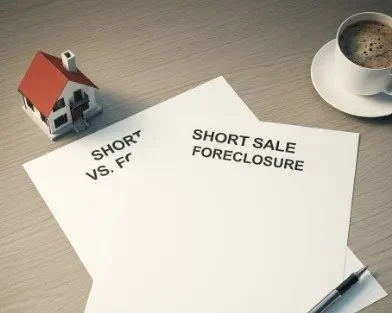
- Why Short Sales and Foreclosures Matter in Real Estate
- What Is a Short Sale in Real Estate?
- What Is a Foreclosure and How Does It Work?
- Major Differences Between Short Sales and Foreclosures
- Why Homeowners End Up in Financial Distress
- Advantages and Risks for Home Buyers
- What Real Estate Investors Look for in Distressed Properties
- The Role of Banks, Lenders, and Negotiations
- Real-World Short Sale and Foreclosure Stories
- Mistakes Buyers and Sellers Commonly Make
- How the Market Affects Distressed Home Sales
- Finding Better Real Estate Guidance and Opportunities
Why Short Sales and Foreclosures Matter in Real Estate
The American housing market has always moved in cycles. During strong economic periods, home values rise, buyers compete aggressively, and homeowners often feel financially secure. But when interest rates increase, layoffs happen, or inflation pressures household budgets, many homeowners suddenly struggle to keep up with mortgage payments.
This is where short sales and foreclosures become important topics in real estate.
For buyers, these properties sometimes represent opportunities to purchase homes below market value. For sellers, they may become difficult but necessary financial decisions. For investors, distressed properties can offer long-term profit potential when approached carefully.
However, many people misunderstand how these processes actually work. Television shows and online videos often oversimplify distressed real estate transactions, making them appear easier and faster than they really are.
In reality, understanding short sales and foreclosures requires patience, financial awareness, legal understanding, and strong negotiation skills.
The difference between a smart distressed-property purchase and a costly mistake often comes down to preparation.

90W Luxury Apartments / 90w nyc
New YorkNew York CountyNew York
90 Washington St, New York, NY 10006, USA
What Is a Short Sale in Real Estate?
A short sale happens when a homeowner sells a property for less than the remaining mortgage balance, and the lender agrees to accept the reduced amount.
For example, imagine a homeowner still owes $400,000 on a mortgage, but the property’s market value has fallen to $340,000. If the lender approves the transaction, the home may be sold for the lower amount rather than forcing the owner through foreclosure.

Why Lenders Sometimes Approve Short Sales
Many people assume banks always prefer foreclosure, but that is not necessarily true.
Foreclosures are expensive and time-consuming for lenders because banks may need to:
- Handle legal proceedings
- Maintain vacant properties
- Pay property taxes
- Repair damages
- Manage resale efforts
In some situations, approving a short sale creates smaller financial losses compared to foreclosure.
Why Homeowners Choose Short Sales
Homeowners usually pursue short sales because they want to avoid the long-term financial and emotional damage associated with foreclosure.
Common Reasons Include:
- Job loss
- Medical debt
- Divorce
- Rising mortgage rates
- Unexpected relocation
- Economic downturns
Short sales may have less severe credit consequences than foreclosures, although they still affect credit scores significantly.
The Emotional Side of Short Sales
One aspect rarely discussed enough is the emotional pressure homeowners experience.
For many Americans, a home is not simply a financial asset. It represents years of savings, memories, family milestones, and personal pride.
Selling a home under financial distress can feel deeply personal and stressful, especially when families fear losing stability.
What Is a Foreclosure and How Does It Work?
A foreclosure occurs when a lender takes legal possession of a property after the homeowner fails to make mortgage payments.
This process allows the lender to recover financial losses by selling the property.
The Foreclosure Process Usually Follows Several Steps
1. Missed Mortgage Payments
Most foreclosures begin after several missed payments.
2. Default Notice
The lender formally notifies the homeowner that the loan is in default.
3. Pre-Foreclosure Period
Homeowners may still have opportunities to negotiate, refinance, or sell the property.
4. Auction or Bank Ownership
If unresolved, the property may go to auction or become bank-owned real estate.
Foreclosures Can Affect Entire Neighborhoods
During the 2008 housing crisis, entire communities across the United States experienced waves of foreclosures.
Vacant homes created several problems:
- Declining property values
- Neighborhood instability
- Increased crime concerns
- Reduced local tax revenue
- Deteriorating property conditions
Many Americans still remember seeing foreclosure signs throughout suburban neighborhoods during that period.
Foreclosure Properties Often Need Repairs
One major reality buyers should understand is that foreclosed homes are frequently sold “as-is.”
Some owners facing financial hardship postpone maintenance before leaving the property.
As a result, buyers may encounter:
- Roof problems
- Water damage
- Electrical issues
- Broken HVAC systems
- Neglected landscaping
This is why professional inspections are extremely important.
Major Differences Between Short Sales and Foreclosures
Although people often group short sales and foreclosures together, they are very different processes.
Ownership Control
Short Sale
The homeowner still owns the property during the transaction.
Foreclosure
The lender eventually takes ownership.
Property Condition
Short Sale Homes
These properties are often better maintained because owners still live there during the sale process.
Foreclosed Homes
Vacancy and deferred maintenance frequently create larger repair needs.
Transaction Speed
Short Sales
Bank approvals can take months.
Foreclosures
Some foreclosure purchases happen more quickly, especially at auctions.
Negotiation Complexity
Short sales usually involve intense negotiations between buyers, sellers, agents, and lenders.
Foreclosures often involve less emotional negotiation because the bank controls the property directly.
Why Homeowners End Up in Financial Distress
Financial hardship rarely happens because of a single mistake.
In many cases, homeowners experience a combination of unexpected events.
Rising Cost of Living
In recent years, inflation has increased pressure on household budgets across America.
Higher costs for:
- Groceries
- Insurance
- Healthcare
- Utilities
- Transportation
have made mortgage payments more difficult for some families.
Adjustable-Rate Mortgage Problems
Some homeowners initially choose adjustable-rate mortgages because of lower introductory payments.
However, when interest rates rise, monthly payments may increase dramatically.
This situation contributed heavily to foreclosure waves during past housing downturns.
Job Loss and Economic Uncertainty
Even financially responsible homeowners can struggle after layoffs or medical emergencies.
Many short sales happen because people simply run out of financial flexibility.
Advantages and Risks for Home Buyers
Distressed properties attract buyers primarily because of potential savings.
Potential Advantages
Lower Purchase Prices
Some distressed homes sell below comparable market values.
Less Buyer Competition
Certain buyers avoid distressed properties because of complexity.
Investment Opportunities
Buyers willing to renovate properties may build long-term equity.
Major Risks Buyers Must Understand
Hidden Repair Costs
A low purchase price does not always mean a good deal.
Unexpected repairs can quickly erase savings.
Delays and Uncertainty
Short sales may collapse if lenders reject terms.
Title and Legal Issues
Some distressed properties involve liens, unpaid taxes, or legal complications.
Patience Is Essential
Experienced real estate professionals often warn first-time buyers that distressed-property transactions rarely move quickly.
Patience and flexibility are crucial.
What Real Estate Investors Look for in Distressed Properties
Professional investors approach short sales and foreclosures differently from typical homebuyers.
Location Matters More Than Cosmetic Damage
Experienced investors often focus heavily on:
- School districts
- Crime rates
- Population growth
- Rental demand
- Future development plans
A property in a strong location may still become profitable despite repair needs.
Renovation Potential
Some investors specialize in buying neglected properties, renovating them, and reselling them at higher values.
This strategy became especially popular after the 2008 housing collapse.
Cash Flow Analysis
Rental investors carefully calculate:
- Mortgage costs
- Taxes
- Insurance
- Maintenance expenses
- Expected rental income
Without disciplined analysis, distressed-property investments can become financially dangerous.
The Role of Banks, Lenders, and Negotiations
Banks play a central role in distressed-property transactions.
Why Banks Can Be Difficult to Deal With
Large lenders often manage thousands of distressed accounts simultaneously.
As a result:
- Paperwork delays happen
- Communication may feel slow
- Approvals require multiple departments
- Negotiations can become frustrating
Short Sale Negotiations Require Documentation
Lenders usually request significant financial information before approving a short sale.
Typical Documents Include:
- Hardship letters
- Income statements
- Bank statements
- Tax returns
- Property valuations
This process can feel overwhelming for struggling homeowners.
Experienced Agents Make a Difference
Many successful distressed-property transactions depend heavily on knowledgeable real estate professionals.
Agents familiar with foreclosure laws, lender procedures, and negotiation tactics often help clients avoid expensive mistakes.
Real-World Short Sale and Foreclosure Stories
Real stories often explain the emotional and financial realities better than statistics alone.
The Family That Avoided Foreclosure Through a Short Sale
A California family experienced financial hardship after one spouse lost a technology-sector job during an industry slowdown.
After months of missed payments, they negotiated a short sale instead of waiting for foreclosure.
Although the experience was emotionally difficult, they avoided a public foreclosure process and later rebuilt their credit over time.
The Investor Who Underestimated Repair Costs
An investor purchased a foreclosed home in Arizona believing cosmetic upgrades would create quick profits.
However, hidden plumbing damage and foundation issues dramatically increased renovation expenses.
The property eventually became profitable, but only after far larger investments than originally expected.
Stories like these show why careful inspections and financial planning matter so much.
Mistakes Buyers and Sellers Commonly Make
Distressed real estate transactions involve emotional pressure, and mistakes happen frequently.
Buyers Focusing Only on Price
Some buyers become so excited about discounted pricing that they ignore repair realities.
Low purchase prices can become expensive problems if renovation costs spiral out of control.
Sellers Waiting Too Long
Some homeowners avoid contacting lenders because they feel embarrassed or overwhelmed.
Unfortunately, delaying communication usually reduces available options.
Ignoring Professional Guidance
Real estate attorneys, experienced agents, inspectors, and financial advisors can provide valuable protection during distressed transactions.
Trying to navigate complicated deals alone increases risk significantly.
Emotional Decision-Making
Fear and urgency sometimes push people into rushed decisions.
Strong financial decisions usually require patience and careful analysis.
How the Market Affects Distressed Home Sales
Housing market conditions strongly influence short sales and foreclosures.
Strong Markets Reduce Foreclosure Activity
When home values rise quickly, struggling homeowners may still sell traditionally and avoid foreclosure entirely.
High Interest Rates Create Pressure
Rising mortgage rates increase monthly payments and reduce affordability for buyers.
This pressure can eventually increase distressed-property activity in weaker economic periods.
Institutional Investors Changed the Market
After the 2008 housing crash, large investment firms purchased thousands of distressed homes across America.
This trend changed competition levels in many housing markets.
Today, ordinary buyers sometimes compete directly against professional investment groups for foreclosure opportunities.
Finding Better Real Estate Guidance and Opportunities
Understanding short sales and foreclosures is essential for anyone exploring distressed real estate opportunities in the United States. These transactions can create opportunities for buyers and investors, but they also involve legal, financial, and emotional complexities that many people underestimate.
Short sales may help homeowners avoid the harsher consequences of foreclosure, while foreclosed properties sometimes allow buyers to purchase homes below market value. However, neither process is simple, fast, or risk-free.
The most successful buyers and sellers usually rely on careful research, realistic budgeting, professional guidance, and patience throughout the process.
For people searching for property insights, housing market guidance, and real estate opportunities, Luxen House Realty Hub can provide useful resources for navigating today’s changing housing market.
In distressed real estate, knowledge often becomes the difference between a smart financial move and a costly lesson. Buyers who understand the process thoroughly are far more likely to make confident and informed decisions.




 Village East Towers Inc4.0 (7 reviews)
 Alexander Madison Realty4.0 (190 reviews)
 Virginia Kohn, Realtor - Howard Hanna I Coach Realtors0.0 (0 reviews)
 Manhattan Management Group4.0 (65 reviews)
 EVP REALTY5.0 (12 reviews)
 The Biltmore3.0 (148 reviews)
 How to Invest in Multi-Family Units for Passive Income – A Step-by-Step Guide
 Understanding Mortgage Options and How to Choose the Best One
 Understanding the Different Types of Mortgages
 Understanding the Role of Escrow in Real Estate Transactions
 How to Decide Between Condo Ownership and Renting | Luxen House Realty Hub
 How to Make Your Home More Attractive to International Buyers