
- -understanding-what-foreclosed-homes-really-are Understanding what foreclosed homes really are in the U.S. real estate market
- -advantages-of-buying-distressed-properties Advantages of buying distressed and foreclosure properties for buyers and investors
- -hidden-risks-and-legal-challenges Hidden risks, repair costs, and legal challenges in foreclosure purchases
- -auction-process-vs-bank-owned-sales Auction process differences and bank-owned (REO) property buying strategies
- -financing-challenges-and-inspection-issues Financing difficulties and inspection limitations when purchasing foreclosed homes
- -real-stories-from-foreclosure-buyers Real stories and case studies from foreclosure home buyers across the U.S.
- -how-to-reduce-risk-and-make-smart-decisions How to reduce risk and make informed decisions when buying foreclosed properties
- -long-term-investment-value-and-market-potential Long-term investment value and resale potential of foreclosure real estate
Understanding what foreclosed homes really are in the U.S. real estate market
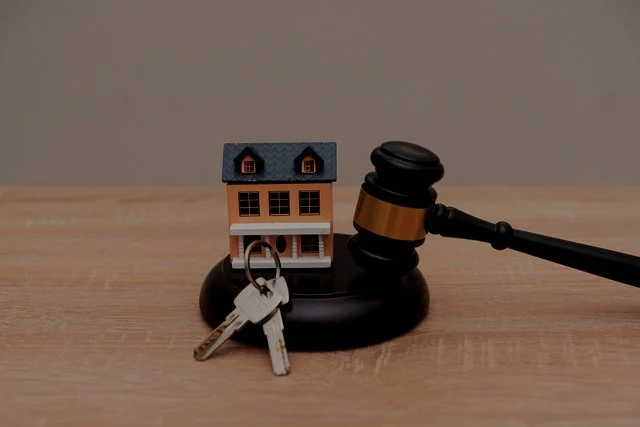
In the American housing market, foreclosed homes represent properties that have been repossessed by lenders after homeowners fail to meet mortgage obligations. When exploring The Pros and Cons of Buying a Foreclosed Home, it is important to understand that these properties are not simply “discount homes,” but rather financial assets tied to complex legal and financial situations.

787 Seventh Avenue / 787 seventh avenue new york
New YorkNew York CountyNew York
787 7th Ave, New York, NY 10019, USA
How foreclosure typically happens in practice
A foreclosure begins when a homeowner falls behind on payments. After a legal process, the lender takes ownership and attempts to recover losses by selling the property. This can happen through auctions or direct listings after the bank assumes control.

Prism at Park Avenue South Apartments / prism at park avenue south apartments
New YorkNew York CountyNew York
50 E 28th St, New York, NY 10016, USA
Why foreclosed properties attract buyers
Many buyers are drawn to foreclosure listings because they often appear below market value. However, the lower price reflects potential risks, including property damage, legal complications, or delayed maintenance.
Advantages of buying distressed and foreclosure properties for buyers and investors
Despite the risks, foreclosure properties can present significant opportunities when approached strategically. Investors and homebuyers often view them as a pathway to equity growth or affordable homeownership.
Lower purchase price compared to market value
One of the most obvious advantages is cost savings. Foreclosed homes are frequently priced below comparable market listings, allowing buyers to enter neighborhoods that may otherwise be financially out of reach.
Potential for high return on investment
With proper renovation and management, buyers can significantly increase property value. Many real estate investors specialize in purchasing distressed properties, improving them, and reselling at a profit.
A real investor success story from Ohio
A first-time investor in Columbus purchased a foreclosed duplex that had been neglected for years. After investing in repairs and modernization, the property’s value increased substantially, generating strong rental income and long-term appreciation.
Hidden risks, repair costs, and legal challenges in foreclosure purchases
While the upside can be attractive, The Pros and Cons of Buying a Foreclosed Home cannot be fully understood without examining the risks that come with these properties.
Property condition is often unknown
Many foreclosed homes are sold “as-is,” meaning buyers inherit all existing issues. These can include structural damage, plumbing problems, mold, or outdated electrical systems.
Legal complications and ownership disputes
Some foreclosure properties may have unresolved liens or legal claims. Buyers must conduct thorough title searches to avoid inheriting financial liabilities.
Unexpected renovation costs
Renovation expenses often exceed initial expectations. A home that appears structurally sound may require significant investment once inspections reveal hidden damage.
Auction process differences and bank-owned (REO) property buying strategies
Understanding how foreclosure properties are sold is essential for making informed decisions. There are generally two main types of transactions: auctions and REO (Real Estate Owned) sales.
Foreclosure auctions and their competitive nature
At auctions, buyers compete in real time, often with cash-only requirements. While prices can be attractive, there is limited opportunity for inspection or due diligence.
Bank-owned properties (REO) and their advantages
REO properties are owned by banks after unsuccessful auctions. These homes are typically listed through real estate agents, allowing for inspections and traditional financing options.
A first-time buyer experience in Florida
A buyer in Miami attempted to purchase a foreclosure at auction but faced unexpected bidding competition. Later, they successfully acquired a similar REO property with inspection rights, leading to a safer investment decision.
Financing difficulties and inspection limitations when purchasing foreclosed homes
Financing a foreclosure can be more complicated than buying a traditional home. Lenders often impose stricter requirements due to property condition risks.
Cash buyers have a significant advantage
Many foreclosure auctions require immediate payment, making cash buyers more competitive. Traditional mortgage approvals may not align with auction timelines.
Inspection limitations increase uncertainty
Some foreclosure purchases do not allow full inspections before purchase, increasing the risk of unexpected repair costs after closing.
Financing strategy considerations
Buyers often use renovation loans or specialized mortgage products designed for distressed properties, although these require careful qualification and planning.
Real stories and case studies from foreclosure home buyers across the U.S.
Real-world experiences often highlight both the opportunities and challenges of foreclosure purchasing more clearly than theory alone.
A California fixer-upper success story
A couple in Los Angeles purchased a foreclosed bungalow that had been vacant for two years. After extensive renovations, the property doubled in value, becoming both a family home and a long-term investment.
A cautionary tale from New Jersey
An investor purchased a foreclosure without fully researching outstanding property taxes. The hidden debt significantly reduced profitability, demonstrating the importance of due diligence.
Why experience matters more than opportunity
Successful foreclosure buyers consistently emphasize research, patience, and professional guidance as key factors in avoiding costly mistakes.
Many buyers rely on platforms like
How to reduce risk and make informed decisions when buying foreclosed properties
Smart foreclosure investing is not about chasing the lowest price—it is about minimizing risk while maximizing potential value.
Conducting thorough property research
Understanding neighborhood trends, property history, and comparable sales is essential before making any purchase decision.
Working with real estate professionals
Experienced agents and attorneys specializing in foreclosure transactions can help identify risks that are not immediately visible to buyers.
Budgeting for worst-case renovation scenarios
Successful buyers often assume higher-than-expected repair costs when evaluating deals, ensuring financial stability even if issues arise.
Long-term investment value and resale potential of foreclosure real estate
Beyond immediate savings, foreclosure properties can serve as long-term investment assets when managed correctly.
Appreciation potential in recovering neighborhoods
Properties purchased in improving areas often gain value as neighborhoods develop and demand increases.
Rental income opportunities
Many investors convert foreclosed homes into rental properties, generating steady cash flow while waiting for appreciation.
Market timing and economic cycles
Foreclosure opportunities often increase during economic downturns, making timing an important factor in investment strategy.
A strategic investor perspective
Experienced investors treat foreclosures as long-term assets rather than quick flips, focusing on sustainable returns and portfolio diversification.
Ultimately, The Pros and Cons of Buying a Foreclosed Home depend heavily on preparation, research, and realistic expectations. With the right strategy, these properties can offer significant opportunities, but without due diligence they can also become costly challenges.

 The Lion Real Estate5.0 (1 reviews)
 Ula's Real Estate Inc2.0 (12 reviews)
 Supreme Power Homes4.0 (46 reviews)
 Regus0.0 (0 reviews)
 Avalon Westbury4.0 (367 reviews)
 Carlton Residential0.0 (0 reviews)
 Tips for Investing in Multi-Unit Residential Properties
 Tips for Selling High-End Properties Quickly
 Tips for Staging Your Home to Sell Quickly
 How to Evaluate a Property’s Rental Yield: A Comprehensive Guide
 How to Buy Real Estate With Limited Savings
 How to Choose Properties That Align With Investment Goals