
Selling a Vacant Home: Build a Weekly Check Routine
On this page
Quick answer
A vacant home needs a named local contact, a documented inspection schedule, secure access, appropriate utilities, and a plan for weather, maintenance, and urgent repairs. Confirm insurer and local requirements before the property becomes empty. At each visit, check entry points, water, temperature, exterior conditions, mail, and signs of damage, then record findings and actions.

West 130 / 130 west hempstead apartments
West HempsteadNassau CountyNew York
130 Hempstead Ave, West Hempstead, NY 11552, USA
Why it matters
Small problems can go unnoticed when nobody lives at the property. A dripping supply line, failed heating system, storm damage, open window, or uncollected delivery can become more serious between showings. A consistent routine also helps agents, owners, contractors, and caretakers understand who is responsible for each task.
This guide is for US owners preparing a vacant residential property for sale. Insurance policies, homeowners associations, lenders, utilities, and local governments may define vacancy differently and impose specific notice or maintenance duties. Confirm those rules; this is not insurance, legal, security, or property-management advice.

90W Luxury Apartments / 90w nyc
New YorkNew York CountyNew York
90 Washington St, New York, NY 10006, USA
Practical checklist
- Tell the insurer about the occupancy change and obtain written confirmation of coverage conditions.
- Assign one local coordinator and approved backups with current phone numbers and clearly limited access.
- Rekey or account for keys, remove hidden keys, review alarm access, and keep a log of authorized entry.
- Set safe utility levels based on climate, building systems, insurer guidance, and professional advice.
- Arrange mail, deliveries, waste bins, landscaping, snow or storm cleanup, and exterior lighting.
- Create a room-by-room visit form for leaks, temperature, odors, pests, windows, appliances, and visible damage.
- Define emergency contacts, spending authority, approved contractors, and owner notification steps.
Step-by-step plan
- Confirm obligations. Review policy language, loan or association rules, local ordinances, and listing arrangements before vacancy starts.
- Prepare the property. Remove valuables and perishables, clean appliances, address known leaks, and have safety-critical systems checked when appropriate.
- Control access. Document every key, code, lockbox, agent, cleaner, contractor, and showing procedure; revoke access that is no longer needed.
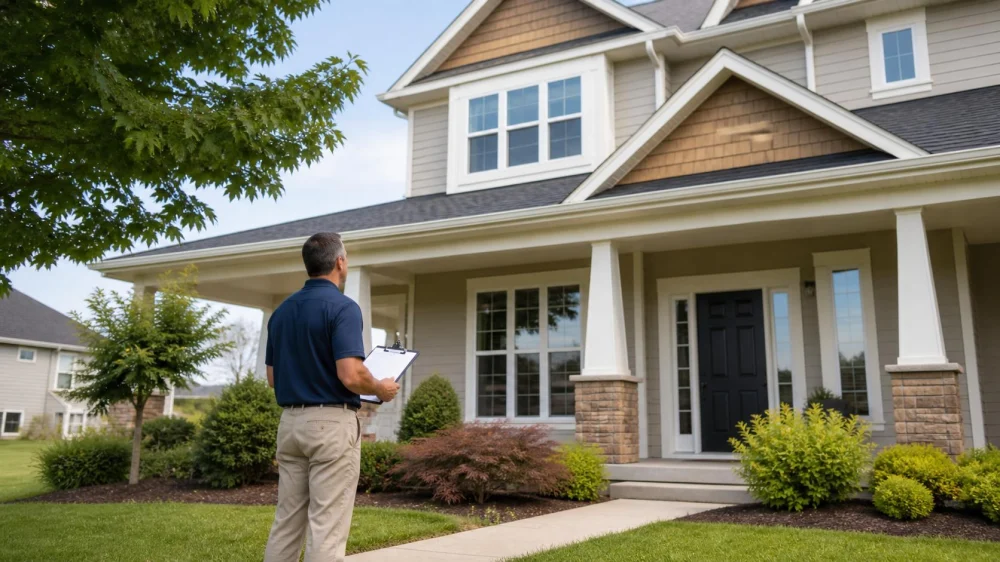
- Inspect on schedule. Walk the exterior and interior without skipping low-use areas, using the same checklist and taking dated photos of concerns.
- Respond and record. Triage hazards immediately, obtain authorized repairs, and note who was notified, what was done, and what needs rechecking.
- Review after change. Update the routine after severe weather, a showing, contractor work, utility interruption, price change, or extended listing period.
Maintain one secure vacancy log containing visit dates, visitor names, photos, meter or temperature observations when relevant, maintenance invoices, insurance correspondence, and unresolved tasks. Avoid placing alarm codes or sensitive access details in documents broadly shared for marketing.
Limits and warning signs
A casual drive-by cannot reveal interior leaks, heating failures, or unauthorized entry. Smart devices can support monitoring but may lose power, connectivity, or calibration; they do not replace required physical checks. Do not enter after signs of forced entry, gas odor, fire, flooding, structural movement, or another hazard.
Call emergency services or the relevant utility for an immediate threat, and follow insurer reporting requirements for loss or damage. Use licensed professionals for electrical, gas, structural, roofing, plumbing, mold, and other regulated or hazardous work. Notify the listing and transaction team when a condition could affect access, disclosure, safety, or the sale timeline.
Frequently asked questions
How often should a vacant home be checked?
There is no universal interval. Follow the shortest applicable requirement from the insurer, agreement, association, local rule, climate risk, and property condition, and increase checks after severe weather or service work.
Should all utilities remain on?
The answer depends on climate, systems, safety, showings, and policy conditions. Ask the insurer and qualified property professionals before disconnecting or changing service.
Can cameras replace property visits?
Cameras may show limited areas but cannot reliably detect every leak, odor, equipment failure, pest issue, or interior change. They also require lawful, privacy-conscious placement and secure access.
Who should hold a key?
Limit keys and codes to specifically authorized people who need them. Keep a current log, use individual codes when practical, and revoke access promptly.
What should happen after a storm?
When conditions are safe, arrange an exterior and interior check focused on water entry, roof or tree damage, power, temperature, windows, and drainage, then document and report any loss promptly.
Sources and evidence
Base the routine on the current insurance policy and written insurer guidance, listing and property-management agreements, association rules, local vacancy requirements, manufacturer instructions for building systems, and advice from qualified local contractors. Requirements change, so verify them for the property and dates involved.
Conclusion and next steps
Before the last occupant leaves, confirm coverage, responsibilities, access, utilities, and the first inspection date. Use one repeatable checklist and close each unresolved item. A vacant property is best managed as an active responsibility with named owners, dated evidence, and clear escalation paths.





 Parc 77 Apartments3.0 (30 reviews)
 Nick Barberio | Realty Advisors | Wantagh5.0 (10 reviews)
 Bushwick Ridgewood Real Estate1.0 (1 reviews)
 Keller Williams Realty Empire4.0 (31 reviews)
 Tayeb Group4.0 (35 reviews)
 Ariel Property Advisors LLC4.0 (5 reviews)
 The Pros and Cons of Buying a Foreclosed Home – What You Need to Know
 Understanding Economic Trends and Their Impact on Real Estate Markets
 Understanding the Risks of Real Estate Investment and How to Navigate Them
 Final Walkthrough Checklist Before Home Closing
 How to Finance a Home Purchase With Minimal Stress: Expert Tips and Advice
 How to Use Market Data for Smarter Real Estate Decisions