
- -Planning-your-home-renovation-to-prevent-overbuilding
- -Understanding-local-market-values-and-neighborhood-context
- -Balancing-renovation-goals-with-budget-and-property-value
- -Case-studies-of-overbuilding-and-smart-renovation-decisions
- -Practical-tips-for-sustainable-and-value-driven-renovations
Planning Your Home Renovation to Prevent Overbuilding
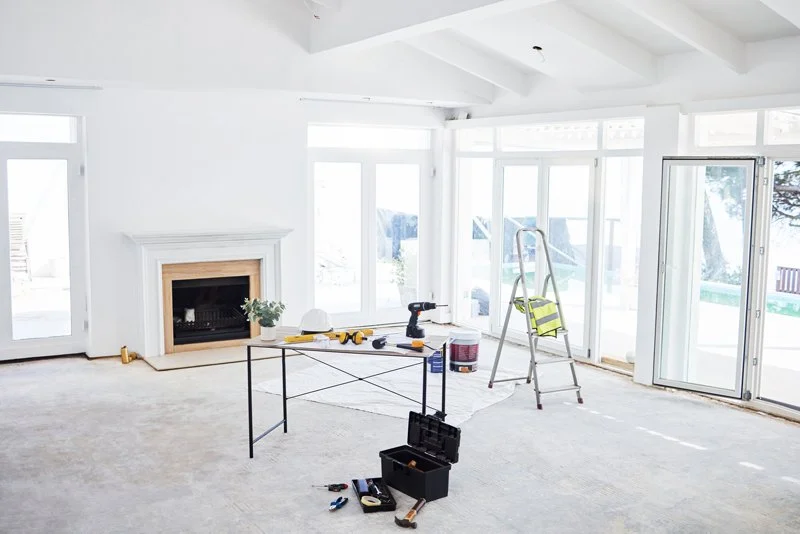
Home renovations are exciting, offering homeowners the opportunity to transform spaces, increase functionality, and express personal style. However, one critical consideration often overlooked is the risk of overbuilding. Overbuilding occurs when a property is upgraded or expanded beyond the prevailing market value of similar homes in the area. While it might satisfy personal desires, it rarely delivers a strong return on investment and can complicate future resale.
The first step in avoiding overbuilding is careful planning. Begin with a detailed assessment of your current home’s condition and a clear understanding of your renovation goals. Are you aiming for increased living space, modernized aesthetics, or improved energy efficiency? By defining objectives clearly, you can prioritize renovations that add meaningful value without exceeding market norms.
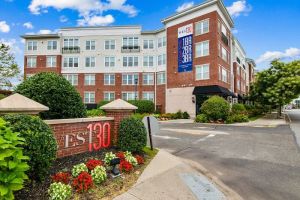
West 130 / 130 west hempstead apartments
West HempsteadNassau CountyNew York
130 Hempstead Ave, West Hempstead, NY 11552, USA
Understanding Local Market Values and Neighborhood Context
Analyzing Comparable Homes
One of the most effective ways to avoid overbuilding is to understand the local real estate market. Look at comparable homes in your neighborhood and their selling prices. If your planned renovation will elevate your property’s value far beyond these comparables, you risk creating a home that is “overbuilt” for the area.
For example, a homeowner in suburban Illinois considered adding a luxury media room with high-end finishes. After consulting local market data, they realized that similar homes in the neighborhood rarely included such features, making the upgrade unlikely to recoup the investment. Instead, they opted for a versatile family room that appealed to a broader range of potential buyers, achieving both functionality and market-aligned value.

Prism at Park Avenue South Apartments / prism at park avenue south apartments
New YorkNew York CountyNew York
50 E 28th St, New York, NY 10016, USA
Neighborhood Aesthetics and Community Standards
Beyond price, consider neighborhood aesthetics and community norms. A home that dramatically exceeds the standard style or scale of surrounding houses may appear out of place, which can negatively affect resale potential. Renovations should harmonize with the local architectural style, ensuring that the home feels integrated rather than incongruous.
A Denver homeowner learned this lesson firsthand. They initially planned to install a rooftop glass deck on a single-story ranch-style home. While visually striking, the addition clashed with neighboring homes, prompting reconsideration. By redesigning the space to feature an extended backyard patio, they enhanced outdoor living without disrupting neighborhood coherence.
Balancing Renovation Goals with Budget and Property Value
Prioritizing High-Impact Upgrades
Not all renovations are equal in their return on investment. Kitchens, bathrooms, and curb appeal typically offer higher value gains. By focusing resources on these areas, homeowners can achieve functional and aesthetic improvements that align with market expectations.
Example: A family in Phoenix replaced outdated kitchen cabinets and countertops, invested in energy-efficient appliances, and repainted key rooms. Instead of adding an extravagant home gym that exceeded neighborhood norms, these high-impact upgrades delivered immediate satisfaction and maintained resale alignment.
Understanding Material and Finish Choices
Luxury finishes and premium materials can dramatically raise renovation costs but do not always increase market value proportionally. Selecting materials that provide durability, aesthetic appeal, and market-aligned style is essential. Avoiding overbuilding means balancing personal taste with what buyers in your area expect.
A Seattle homeowner initially considered imported Italian marble throughout the home. After market analysis, they opted for durable quartz countertops and stylish engineered wood flooring. The result: a beautiful, functional home that avoided unnecessary costs and maintained neighborhood value standards.
Budgeting for Contingencies
Every renovation carries risks of unexpected costs. Setting aside 10–20% of the budget for contingencies ensures financial stability and prevents overextension, which can lead to cutting corners or making design compromises that feel overbuilt or forced.
Case Studies of Overbuilding and Smart Renovation Decisions
Case Study: The Overbuilt Basement
A homeowner in Atlanta expanded their basement to include a full home theater, bar, and gym. While impressive, the additions far exceeded the typical basement use in the area. When attempting to sell, they discovered limited buyer interest, and the investment was difficult to recoup. Lesson: overbuilding can create niche appeal but reduce broad market desirability.
Case Study: Smart Kitchen and Bathroom Renovation
In contrast, a homeowner in Austin focused on updating their kitchen and bathrooms while enhancing outdoor living spaces. These improvements reflected neighborhood norms and lifestyle trends, adding substantial functional and aesthetic value. When the home was listed, it sold quickly at a competitive price. This example demonstrates that strategic, market-aware renovations often outperform extravagant, unconventional upgrades.
Practical Renovation Decisions for Balanced Growth
Smart renovation decisions consider long-term value, resale potential, and alignment with community standards. By carefully evaluating each project component, homeowners can make improvements that enhance daily living without creating a property that is disproportionately expensive relative to its surroundings.
Practical Tips for Sustainable and Value-Driven Renovations
Engage Professional Advice Early
Consult architects, contractors, and real estate professionals before starting significant projects. Professionals can provide insights on cost-effective design, structural feasibility, and market trends, helping homeowners avoid overbuilding mistakes.
For example, Luxen House Realty Hub offers detailed consultations for homeowners seeking renovation guidance. Their expertise helps align projects with neighborhood expectations, budget constraints, and long-term value considerations.
Focus on Functionality and Flexibility
Renovations that enhance functionality often offer the best value. Flexible spaces that can adapt to different uses—such as multi-purpose rooms or adjustable storage solutions—appeal to a wider range of buyers and reduce the risk of overbuilding.
Incorporate Energy Efficiency and Modern Technology
Sustainable upgrades like energy-efficient windows, smart thermostats, and LED lighting add value without creating overbuilt spaces. These improvements are practical, reduce long-term costs, and appeal to environmentally conscious buyers.
Staying Informed on Market Trends
Real estate trends can shift quickly. Regularly reviewing property values, comparable sales, and renovation demand helps homeowners make informed decisions. This proactive approach prevents investments that may exceed market expectations or fail to deliver a return.
Conclusion-Free Insights for Long-Term Renovation Success
Avoiding overbuilding requires a careful balance of personal goals, neighborhood context, and market realities. Strategic planning, professional guidance, and attention to high-impact areas ensure that home renovations enhance comfort, functionality, and resale value. By making informed decisions and leveraging resources like Luxen House Realty Hub, homeowners can transform their spaces effectively, avoiding unnecessary expenses and maximizing long-term satisfaction.
Ultimately, the most successful home renovations are those that enhance daily living while respecting the broader community context. Thoughtful choices in layout, material selection, and feature integration lead to spaces that are beautiful, functional, and aligned with market expectations—ensuring a home that is both enjoyable to live in and positioned for future value retention.




 Miriam Realty Inc3.0 (4 reviews)
 Meylin Team0.0 (0 reviews)
 Ben Bay Realty Co. of Marine Park, LLC4.0 (11 reviews)
 Noah Development Venture0.0 (0 reviews)
 Westchester Real Estate Services0.0 (0 reviews)
 Realty Masters4.0 (28 reviews)
 Understanding Rental Property Cash Flow Calculations – A Practical Investor’s Guide
 How to Invest in Rental Properties for Passive Income
 The Importance of Curb Appeal When Selling Your Home
 How to Sell a Home Quickly Without Lowering the Price
 The Benefits of Smart Home Technology for Home Buyers
 How to Evaluate Real Estate Market Potential: A Complete Guide