
- 1. The Importance of Energy-Efficient Upgrades
- 2. Financial Benefits of Energy-Efficient Upgrades
- 3. The Environmental Impact of Energy-Efficient Upgrades
- 4. How Energy-Efficient Upgrades Increase Home Value
- 5. Case Study: Real-Life Examples of Energy-Efficient Upgrades
- 6. How to Choose the Right Energy-Efficient Upgrades for Your Home
1. The Importance of Energy-Efficient Upgrades
Energy-efficient upgrades are becoming a top priority for homeowners in the United States. These upgrades not only help homeowners reduce their monthly energy bills but also contribute to a greener planet. As the demand for sustainable living grows, it is essential to understand how energy-efficient upgrades can improve both your home’s energy efficiency and overall performance.

West 130 / 130 west hempstead apartments
West HempsteadNassau CountyNew York
130 Hempstead Ave, West Hempstead, NY 11552, USA
2. Financial Benefits of Energy-Efficient Upgrades
One of the most significant reasons homeowners invest in energy-efficient upgrades is the potential for long-term cost savings. By improving your home’s energy efficiency, you can significantly reduce your energy consumption and lower utility bills. For example, replacing old windows with energy-efficient models or installing a smart thermostat can drastically cut down heating and cooling costs. Over time, these upgrades can pay for themselves through savings on energy bills.
Avalon Brooklyn Bay / avalon brooklyn bay
1501 Voorhies Ave, Brooklyn, NY 11235, USA
2.1 Reducing Heating and Cooling Costs
Upgrading your insulation, sealing air leaks, and installing energy-efficient windows can drastically reduce your heating and cooling costs. According to the U.S. Department of Energy, homeowners can save up to 10% annually on heating and cooling costs by sealing and insulating their homes properly. These upgrades ensure that your home stays comfortable year-round, without having to rely on excessive energy use.
2.2 Tax Incentives and Rebates
Many energy-efficient home improvements come with tax incentives and rebates from both federal and local governments. These incentives can offset the initial cost of the upgrades, making it even more affordable to enhance your home’s energy efficiency. Homeowners can take advantage of programs like the Energy Star program, which offers rebates for energy-efficient appliances and upgrades.
3. The Environmental Impact of Energy-Efficient Upgrades
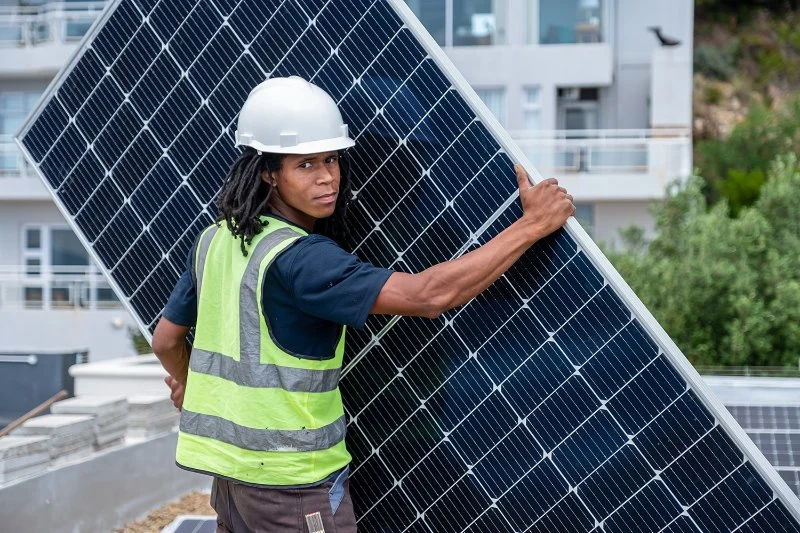
Energy-efficient upgrades contribute significantly to reducing your carbon footprint. By using less energy, your home produces fewer greenhouse gas emissions, which helps fight climate change. For example, installing solar panels, upgrading insulation, and switching to energy-efficient appliances can significantly reduce the amount of energy required to power your home, which ultimately helps reduce the demand on power plants and decreases the use of fossil fuels.
3.1 Reducing Greenhouse Gas Emissions
When you upgrade your home to become more energy-efficient, you contribute to a cleaner environment. For instance, a well-insulated home will require less energy from fossil fuels, thus reducing carbon emissions. Additionally, upgrading to energy-efficient appliances, such as LED lights or Energy Star-rated refrigerators, further decreases your home's environmental impact.
3.2 Supporting Renewable Energy
For homeowners looking to go even further, integrating renewable energy sources such as solar panels or wind turbines can further reduce reliance on conventional energy sources. These renewable options not only save on energy costs but also promote a sustainable lifestyle.
4. How Energy-Efficient Upgrades Increase Home Value
Energy-efficient homes are not only more cost-effective and environmentally friendly, but they can also increase the overall value of your home. According to studies, homes with energy-efficient features are typically worth more and sell faster than homes without them. Potential buyers are increasingly looking for homes that will save them money in the long run through lower utility bills and reduced maintenance costs.
4.1 The Appeal to Homebuyers
When listing your home for sale, features like energy-efficient windows, advanced insulation, and high-efficiency heating and cooling systems can be significant selling points. Many buyers today are specifically seeking homes that offer long-term savings and environmental benefits, making energy-efficient upgrades a valuable investment for home sellers.
4.2 Return on Investment
Homebuyers are often willing to pay a premium for homes with energy-efficient features. Studies have shown that homes with energy-efficient upgrades can sell for 5-10% more than similar homes without these features. This is a substantial return on investment, especially when considering the relatively low costs of many upgrades such as adding insulation or replacing an old water heater with an energy-efficient model.
5. Case Study: Real-Life Examples of Energy-Efficient Upgrades
Let’s take a look at a real-world example of energy-efficient upgrades. A homeowner in California decided to install solar panels, replace outdated windows with energy-efficient models, and upgrade to a high-efficiency HVAC system. Within two years, the homeowner had saved over $3,000 annually on energy bills. Not only did these upgrades lead to substantial savings, but they also increased the home’s market value by 15%, making it an attractive option for future buyers. This case highlights the significant financial and environmental benefits of making energy-efficient upgrades to your home.
6. How to Choose the Right Energy-Efficient Upgrades for Your Home
Choosing the right energy-efficient upgrades for your home can be overwhelming, but focusing on the most impactful improvements can help you achieve the best results. Start by assessing your home's current energy usage and identifying areas for improvement. Common upgrades include upgrading insulation, replacing windows, installing energy-efficient appliances, and adopting renewable energy systems such as solar panels.
6.1 Prioritize Based on Energy Savings
Not all upgrades provide the same return on investment, so prioritize based on energy savings. Start with upgrades that have the most immediate impact, such as sealing air leaks and installing high-efficiency HVAC systems. From there, you can explore larger investments like solar energy or geothermal heating systems.
6.2 Consult Professionals
If you’re unsure about where to start, it’s always a good idea to consult with professionals who specialize in energy-efficient home upgrades. They can conduct an energy audit and recommend the best improvements for your home based on its size, location, and your specific needs.



 RE/MAX 1st Choice4.0 (5 reviews)
 Bove Real Estate4.0 (31 reviews)
 Corporate Suites4.0 (31 reviews)
 Issembert Companies, Inc.3.0 (2 reviews)
 The Corcoran Group3.0 (36 reviews)
 ERG Commercial Real Estate4.0 (8 reviews)
 How to Evaluate Market Trends Before Investing
 Understanding Real Estate Market Reports – How to Analyze and Make Informed Decisions
 How to Understand Home Inspection Reports | Luxen House Realty Hub
 Tips for Buying a Home Near Top-Rated Schools
 How to Research Neighborhood Trends Before Buying – Smart Homebuyer Insights | Luxen House Realty Hub
 How to Use Market Data to Make Better Real Estate Decisions