

- 1. Introduction: Inflation and Property Values
- 2. Factors Influencing Property Values During Inflation
- 3. Effects of Inflation on Real Estate Investment
- 4. Current Real Estate Trends Amid Inflation
- 5. Tips for Navigating the Property Market During Inflation
- 6. Conclusion and Key Takeaways
1. Introduction: Inflation and Property Values
Inflation, the general rise in the price of goods and services over time, can have a significant impact on property values. As inflation rises, the cost of living increases, interest rates may climb, and the value of money decreases. This affects the real estate market in complex ways, influencing everything from property prices to rental rates, as well as the overall affordability of homes for potential buyers. Understanding the relationship between inflation and property values is crucial for anyone involved in real estate, whether you're an investor, homebuyer, or seller.
In this article, we will explore how inflation impacts property values, examine the factors that influence these changes, and discuss how to navigate the real estate market during periods of high inflation.

Prism at Park Avenue South Apartments / prism at park avenue south apartments
New YorkNew York CountyNew York
50 E 28th St, New York, NY 10016, USA
2. Factors Influencing Property Values During Inflation
Inflation doesn’t affect all properties equally. The following factors play a key role in determining how inflation will influence specific property values:
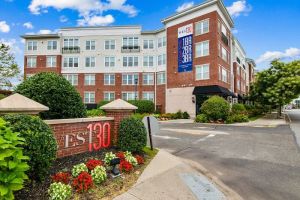
West 130 / 130 west hempstead apartments
West HempsteadNassau CountyNew York
130 Hempstead Ave, West Hempstead, NY 11552, USA
2.1. Interest Rates and Financing Costs
One of the most immediate effects of inflation is the rise in interest rates. When inflation increases, central banks often raise interest rates to try to control the economy. Higher interest rates lead to higher mortgage payments, which can reduce the demand for housing. As borrowing costs rise, fewer buyers can afford to purchase homes, which can lead to a decrease in property values in some markets.
2.2. Construction Costs
Inflation also drives up the cost of materials and labor in the construction industry. This can affect the price of new homes, as builders pass on these increased costs to buyers. For existing properties, higher construction costs can limit the supply of new homes, potentially driving up the prices of existing properties due to limited inventory.
2.3. Demand and Economic Growth
Inflation affects consumer spending and confidence. In times of high inflation, people may be less willing to make large investments, such as purchasing a new home. On the other hand, if inflation is accompanied by economic growth and higher wages, it may stimulate demand for housing, which can drive up property values.
2.4. Location and Property Type
The effect of inflation on property values also depends on the location and type of property. In desirable areas with strong job markets or high demand for housing, property values may continue to rise despite inflationary pressures. Conversely, properties in less desirable areas may see stagnation or even declines in value during periods of high inflation.
3. Effects of Inflation on Real Estate Investment
Inflation can have both positive and negative effects on real estate investment. Understanding these effects is important for anyone looking to invest in property during inflationary periods.
3.1. Potential for Property Value Appreciation
In some cases, inflation can lead to higher property values, especially for real estate investors holding property in areas of high demand. As the cost of living rises, so does the cost of housing, which can lead to price appreciation. In such cases, real estate can act as a hedge against inflation, as property values and rental income may increase over time.
3.2. Impact on Rental Income
For landlords, inflation can have mixed effects. While inflation may push up the cost of rent in some markets, it can also increase property expenses, such as maintenance costs and taxes. Inflationary pressures may cause tenants to seek more affordable options, potentially reducing demand for rental properties in certain areas.
3.3. Rising Operating Costs for Property Owners
Inflation can lead to higher operational costs for property owners. For example, property taxes, utilities, and maintenance costs tend to rise during inflationary periods. These increased costs can eat into the profits of real estate investors and affect the overall return on investment (ROI).
4. Current Real Estate Trends Amid Inflation
In today’s market, inflation is having noticeable effects on the real estate industry. Several trends have emerged as a result of inflation:
4.1. Slower Market Growth
As inflation continues to rise, many real estate markets have experienced slower growth in property values. In some areas, homebuyers are becoming more cautious due to higher mortgage rates and increased living costs, leading to a cooling effect on the market. However, the demand for housing in certain regions remains strong, and prices may continue to rise in high-demand areas.
4.2. Increased Demand for Rental Properties
As homeownership becomes more expensive due to inflation, more people are turning to rental properties. This trend has led to increased demand for rentals in both urban and suburban areas. Real estate investors who own rental properties are seeing higher occupancy rates and, in some cases, increasing rents as tenants seek more affordable housing options.
4.3. Shift Toward Investment in Real Assets
In times of economic uncertainty and inflation, many investors are looking for ways to preserve wealth. Real estate is considered a “real asset” that tends to hold value over time, making it an attractive investment option during inflationary periods. As a result, more people are turning to real estate as a way to hedge against inflation.
5. Tips for Navigating the Property Market During Inflation
If you're looking to buy or sell property during times of inflation, here are some tips to help you make informed decisions:
5.1. Buy Property in High-Demand Areas
One of the best ways to protect yourself from inflation’s effects is by investing in property in areas with strong demand and limited supply. These locations tend to see more stable price growth even during times of inflation.
5.2. Focus on Long-Term Investment
Real estate is a long-term investment. If you’re looking to buy, consider holding onto the property for several years. Over time, property values generally appreciate, even during inflationary periods, so long-term ownership can help you weather the storm.
5.3. Consider Rental Properties
Rental properties can provide a consistent income stream during inflation. By purchasing rental properties in high-demand areas, you can benefit from rising rents and demand for housing while protecting your investment against inflation.
6. Conclusion and Key Takeaways
Inflation has a significant impact on property values, and understanding this relationship is essential for making informed decisions in the real estate market. While inflation can lead to higher property prices in some areas, it can also present challenges for buyers and sellers due to rising mortgage rates and construction costs. However, by focusing on high-demand areas, investing in rental properties, and holding onto assets long-term, you can navigate the property market during inflation with confidence.
For more advice on how to make the most of the property market during inflation, visit [Luxen House Realty Hub] and get expert insights into real estate trends and investment opportunities.




 Saddle Rock Realty5.0 (38 reviews)
 The Executive Group Realty4.0 (14 reviews)
 Motivated Access Realty Corp4.0 (13 reviews)
 Mendy Realty Inc.5.0 (4 reviews)
 Giordano Realty Corporation4.0 (43 reviews)
 Heatherwood Port Jefferson4.0 (258 reviews)
 Tips for Buying a Home Near Public Transportation | Budget Breakdown
 How to Use Market Data for Smarter Real Estate Decisions
 How to Evaluate a Property’s Rental Yield: A Comprehensive Guide
 Understanding Rental Property Cash Flow Calculations – A Practical Investor’s Guide
 Renting vs. Buying: The Pros and Cons You Need to Consider
 How to Research Neighborhood Trends Before Buying – Smart Homebuyer Insights | Luxen House Realty Hub