
- 1. What Are Closing Costs?
- 2. Types of Closing Costs You Should Know
- 3. How to Save Money on Closing Costs
- 4. Real-Life Examples of Saving on Closing Costs
1. What Are Closing Costs?
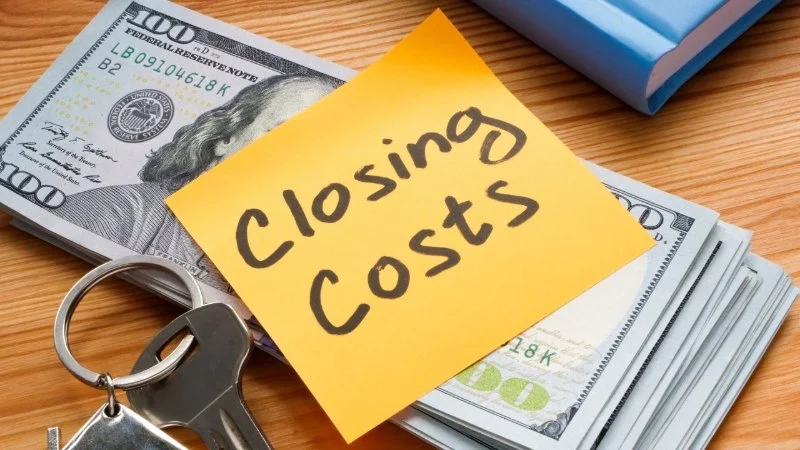
When buying a home, the excitement of finding your dream property often comes with the reality of closing costs. These are the fees and expenses you must pay to finalize the purchase. Closing costs are due at the end of the transaction, just before you take ownership of the property. While the exact amount varies based on factors like location and the price of the home, closing costs typically range from 2% to 5% of the home's purchase price.
Understanding closing costs is crucial, as they can significantly impact your budget. These costs cover a variety of services and procedures necessary to complete the transaction, from title searches to inspection fees. Many buyers overlook closing costs until it's time to pay them, so it's important to plan ahead and be aware of what these costs will entail.
Avalon Brooklyn Bay / avalon brooklyn bay
1501 Voorhies Ave, Brooklyn, NY 11235, USA
2. Types of Closing Costs You Should Know
Closing costs can be broken down into several categories, and knowing what each of these involves will help you anticipate the expenses involved. Here's a breakdown of the most common closing costs you should be aware of:
1. Loan Origination Fees: This is the fee charged by the lender for processing the new loan. It often includes application fees, underwriting costs, and document preparation fees.
2. Appraisal Fees: Lenders typically require a home appraisal to ensure the property is worth the amount you're borrowing. The appraisal fee can vary depending on the size and location of the property.
3. Title Insurance: This insurance protects both the buyer and lender from any legal claims against the property’s title. It's a necessary step in the transaction to ensure there are no issues with the ownership history of the home.
4. Home Inspection Fees: A professional inspection is often required to identify potential issues with the property, such as structural problems or pest infestations. This fee is essential for ensuring that the home is in good condition.
5. Closing Agent Fees: Closing agents or attorneys are responsible for managing the closing process and ensuring that all paperwork is properly signed and filed. Their services typically come with a fee, which can vary depending on the complexity of the transaction.
West 130 / 130 west hempstead apartments
West HempsteadNassau CountyNew York
130 Hempstead Ave, West Hempstead, NY 11552, USA
3. How to Save Money on Closing Costs
Closing costs are a significant part of the home-buying process, but there are ways to reduce them. Here are some tips and strategies to help you save money on these expenses:
1. Negotiate with the Seller: In many cases, the seller can agree to pay a portion of your closing costs as part of the negotiation process. This is especially common in buyer’s markets where there is more competition for buyers. Be sure to ask your real estate agent about this possibility.
2. Shop Around for Lenders: Different lenders offer different terms, and the cost of closing can vary widely between them. By comparing offers from multiple lenders, you can find the best deal on loan origination fees and other related costs. Don’t settle for the first offer you receive!
3. Ask for a Discount on Title Insurance: Title insurance costs can be negotiable, so it’s worth asking the title company for a discount. Some states allow you to shop around for title insurance, which can save you money compared to using the title company recommended by your lender.
4. Consider a No-Closing-Cost Mortgage: Some lenders offer mortgages that don’t require closing costs upfront. Instead, they roll the closing costs into the loan, allowing you to finance them over time. While this option may result in higher monthly payments, it can be a good choice for buyers who don’t have the cash to pay closing costs upfront.
4. Real-Life Examples of Saving on Closing Costs
Let’s take a look at some real-life examples to see how buyers have successfully reduced their closing costs:
1. Example 1: Negotiating Seller Contributions: Sarah and Tom were purchasing their first home and were concerned about the high closing costs. After discussing with their real estate agent, they were able to negotiate with the seller to cover 3% of their closing costs, which saved them over $6,000.
2. Example 2: Shopping for Title Insurance: Emily was buying a home in a state where title insurance prices can vary. She did some research and found that by shopping around, she could save $1,500 by choosing a different title company than the one recommended by her lender.
3. Example 3: Using a No-Closing-Cost Mortgage: John, a first-time homebuyer, didn’t have enough savings to cover closing costs. He opted for a no-closing-cost mortgage, which allowed him to finance the costs over the life of the loan. While this raised his monthly payments, it helped him avoid the upfront expense of closing costs.
When buying a home, understanding your closing costs and finding ways to save money can make a significant difference in your overall home-buying experience. Be proactive, ask questions, and work with professionals who can help guide you through the process. For more helpful tips and resources on real estate, check out Luxen House Realty Hub for expert recommendations and services tailored to your needs.




 Brown Harris Stevens (formerly Halstead)4.0 (20 reviews)
 Hollingsworth Real Estate Group5.0 (159 reviews)
 Coldwell Banker American Homes3.0 (9 reviews)
 Jay Suites Grand Central - Private Furnished Offices for Rent and Rooftop Event Space4.0 (53 reviews)
 Carrington Real Estate Services (US), LLC1.0 (2 reviews)
 Right Time Realty, LLC3.0 (2 reviews)
 How to Understand Home Inspection Reports – Complete Guide for Buyers
 Best Mortgage Options: How to Choose the Right One for Your Financial Situation
 How to Sell Your Home Quickly: Effective Strategies for a Fast Home Sale
 Understanding the Importance of Neighborhood Demographics in Real Estate Decisions
 How to Avoid Real Estate Scams | Protect Yourself in Real Estate Transactions
 Understanding the Role of Real Estate Agents in Transactions: Expert Insights