
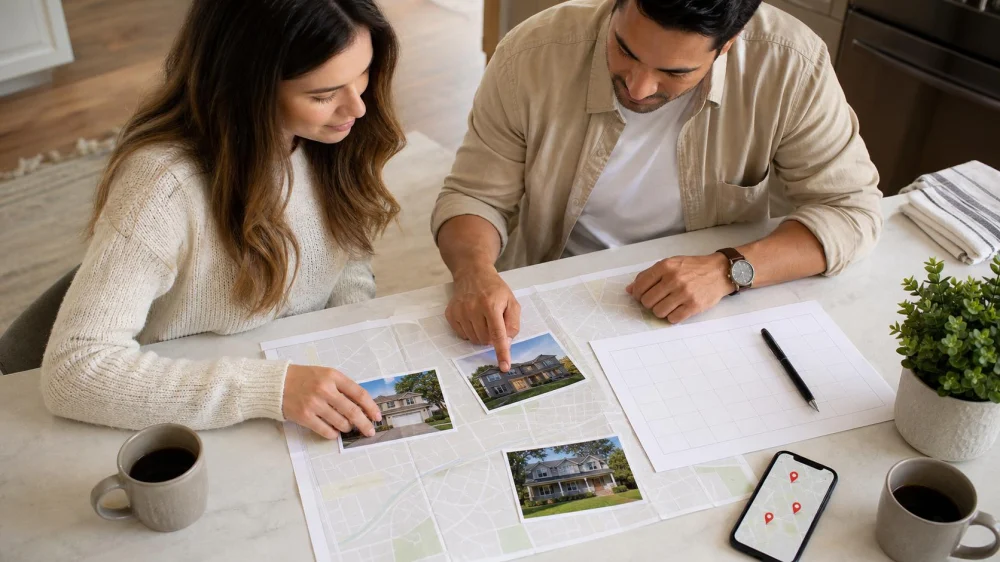
Plan a Productive Weekend of Open Houses
On this page
Quick answer
For a useful open-house weekend, shortlist homes against fixed needs, confirm each event before leaving, group visits by location, and allow travel plus note-taking time. Use the same checklist at every property, but do not treat an open house as an inspection. End the day by ranking evidence, unanswered questions, and deal breakers while details are still fresh.
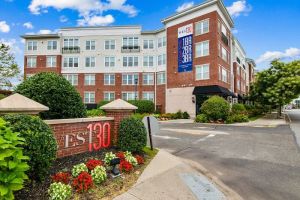
West 130 / 130 west hempstead apartments
West HempsteadNassau CountyNew York
130 Hempstead Ave, West Hempstead, NY 11552, USA
Build the right shortlist
Start with decision boundaries rather than attractive photos. Write down your maximum comfortable price, target area, minimum space, essential accessibility, property type, and any nonnegotiable commute or school-related requirements. Keep preferences such as finishes or landscaping in a separate column so they do not crowd out structural needs.
Remove listings that clearly fail a nonnegotiable. For the rest, review available disclosures, association information, property history, and estimated ongoing costs before giving them a time slot. A shorter, relevant route produces better observations than a rushed tour of every available home.

90W Luxury Apartments / 90w nyc
New YorkNew York CountyNew York
90 Washington St, New York, NY 10006, USA
Create a realistic route
- Verify the event. Confirm the date, time, access instructions, and current listing status on the morning of the tour.
- Group by geography. Place nearby homes together and avoid crossing the same area repeatedly.
- Set a priority order. Visit the strongest match when you are fresh, while respecting fixed event windows.
- Add buffers. Allow for traffic, parking, check-in, questions, and at least a few minutes of notes after each stop.
- Cap the schedule. Stop adding properties when the route no longer leaves enough attention for a careful visit.
- Prepare a fallback. Save one optional listing in case an event is canceled or a home goes under contract.
Share the route with anyone making the purchase decision. If working with a buyer’s agent, clarify representation and open-house registration expectations before the weekend.
Use one tour checklist
- Street noise, traffic, parking, and immediate surroundings
- Exterior drainage, roofline observations, siding, and visible maintenance
- Room dimensions, storage, natural light, stairs, and accessibility
- Odors, stains, cracks, uneven surfaces, or signs that require expert follow-up
- Heating, cooling, electrical, plumbing, windows, and appliance questions
- Renovation permits, age of major systems, disclosures, and known repairs
- Association rules and fees when applicable
- Mobile signal, practical commute, and nearby services important to you
Ask permission before taking photos. Label notes immediately so images and observations are not assigned to the wrong home. Avoid opening personal belongings or areas the host marks private.
Compare after the tours
Use the same scorecard for every property. Separate verified facts, personal impressions, and unanswered questions. A simple decision table can include fit with nonnegotiables, likely repair follow-up, location, ongoing costs, and next action.
Choose a second visit when the home remains a serious candidate and you need to check it at another time of day or with a qualified professional. Walk away when a core need fails, total costs exceed your boundary, or important uncertainty cannot be resolved on acceptable terms.
Limitations and important notes
An open house is a marketing event, not a professional inspection, appraisal, title review, insurance decision, or legal review. Visible condition can be staged, and many important systems require qualified evaluation. Follow state-specific agency and disclosure rules and use written contract protections appropriate to your situation.
Do not let a busy room or suggested urgency determine your budget. Other visitors do not prove competing offers. Ask for material facts through proper channels and make decisions from verified information.
Sources and evidence notes
This workflow uses common home-buying practice: define criteria before touring, compare properties consistently, verify listing details, and escalate physical, financial, insurance, title, or legal questions to the appropriate professional. Official listing records and transaction documents matter more than memory or marketing language.
Frequently asked questions
How many open houses should I visit in one day?
Choose a number that leaves time to travel, observe, ask questions, and record notes. The right limit depends on distance and complexity; careful comparisons matter more than a high count.
Should I tell the host I have a buyer’s agent?
Yes. Be clear about any existing representation and follow applicable registration instructions. Ask your agent how local practice affects open-house visits.
Can I bring an inspector to an open house?
A formal inspection usually requires separate permission and scheduling. You may bring a knowledgeable companion if allowed, but do not represent a casual tour as a completed inspection.
What should I do if I like a home immediately?
Record why it fits, identify unanswered questions, review relevant documents, and discuss an evidence-based next step. Strong interest does not require abandoning budget or due diligence.
Next steps
Create a shortlist from your nonnegotiables, confirm the events, map a buffered route, and print or save one consistent checklist. After each visit, capture facts and questions. At day’s end, choose which homes deserve document review, professional follow-up, or a second visit—and remove the rest from your active list.




 Sunamerica Realty Choice Inc4.0 (15 reviews)
 OfficeFinder New York City0.0 (0 reviews)
 Alfred Manhattan Real Estate0.0 (0 reviews)
 Safdan Partners LLC3.0 (2 reviews)
 Keller Williams Realty Landmark/ Kimberly Donovan0.0 (0 reviews)
 Elizabeth Rojas Realty5.0 (5 reviews)
 The Pros and Cons of Buying a New Construction Home
 Understanding Closing Costs and How to Save
 Tips for Buying Property in High-Demand Areas
 Understanding the Pros and Cons of Buying Foreclosed Homes
 Tips for Selling Property with Multiple Offers Efficiently
 Tips for Buying Vacation Rental Properties Successfully