
Understanding Closing Costs and How to Save
- What Are Closing Costs?
- Common Closing Costs and Fees
- How Are Closing Costs Calculated?
- Tips to Save on Closing Costs
- When to Budget for Closing Costs
What Are Closing Costs?
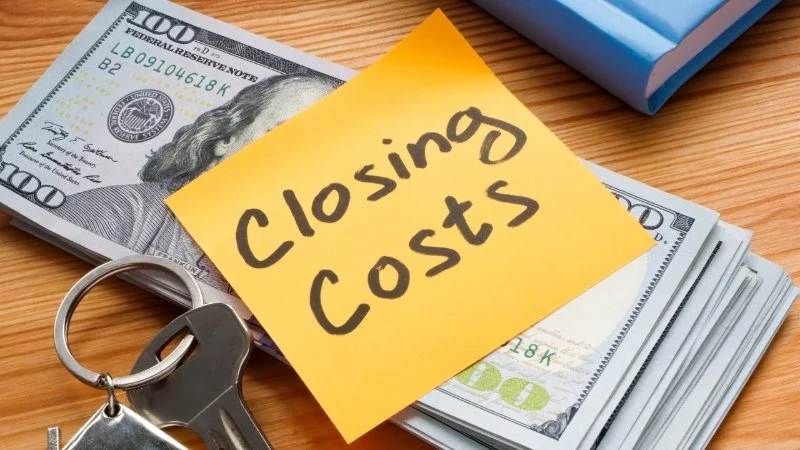
When purchasing or selling a property, closing costs are the fees and expenses that both buyers and sellers incur to finalize the transaction. These costs cover various services such as title insurance, loan origination fees, and property appraisals, among others. Understanding these costs is crucial for both buyers and sellers to ensure there are no surprises at the closing table.

Prism at Park Avenue South Apartments / prism at park avenue south apartments
New YorkNew York CountyNew York
50 E 28th St, New York, NY 10016, USA
Common Closing Costs and Fees
There are several common fees that buyers and sellers typically pay during the closing process. These can vary depending on the location, property type, and the specifics of the transaction. Here are some of the most common closing costs:

1. Loan Origination Fees
For buyers taking out a mortgage, the lender will charge a loan origination fee for processing the loan application and approving the mortgage. This fee is typically a percentage of the loan amount and can range from 0.5% to 1.5% of the loan value.
2. Title Insurance
Title insurance protects the lender and buyer from any legal issues that may arise regarding the ownership of the property. The buyer usually purchases title insurance to safeguard against any hidden claims on the property that may not have been discovered during the title search.
3. Home Inspection Fees
Most buyers opt for a home inspection to ensure the property is in good condition. The cost of a home inspection varies based on the property size and location but is typically between $300 and $500.
4. Property Taxes and Homeowners Insurance
Property taxes and homeowners insurance may be due at the closing. The buyer might need to pay a portion of the property taxes or set up an escrow account for future payments. Additionally, proof of homeowners insurance is usually required before closing.
5. Recording Fees
Recording fees are paid to the local government to officially register the new ownership of the property. These fees are typically a few hundred dollars, depending on the county and the property type.
How Are Closing Costs Calculated?
Closing costs are generally calculated as a percentage of the purchase price of the property. On average, closing costs typically range from 2% to 5% of the home’s purchase price. For example, if you are purchasing a $300,000 home, you can expect closing costs to be between $6,000 and $15,000. However, these costs can vary widely based on factors such as:
1. Location
The state or county where the property is located can have a significant impact on closing costs. Some regions have higher recording fees, property taxes, and other local charges. Always check with a local real estate agent or attorney to get an accurate estimate for your area.
2. Type of Loan
The type of loan you choose will also affect your closing costs. For example, government-backed loans like FHA or VA loans may have different fees compared to conventional loans. Make sure to ask your lender for a detailed breakdown of any loan-specific fees.
3. Negotiated Fees
Closing costs are not set in stone, and some fees can be negotiated. For example, the seller might agree to pay a portion of the buyer’s closing costs as part of the sale agreement. It’s worth discussing these details with your real estate agent or attorney during the negotiation process.
Tips to Save on Closing Costs
Closing costs can add up quickly, but there are several ways to save money during the process. Here are a few strategies to help minimize your expenses:
1. Shop Around for Lenders
Different lenders charge different fees for processing loans. To ensure you're getting the best deal, shop around and compare rates from multiple lenders. Look for lenders who offer lower origination fees or waived fees for first-time homebuyers.
2. Negotiate with the Seller
In some cases, you can ask the seller to pay for some of your closing costs. This is known as a seller concession and can be negotiated during the contract stage. It’s especially common in a buyer’s market or if the property has been on the market for a while.
3. Close at the End of the Month
Timing your closing towards the end of the month can reduce your pro-rated interest charges. This strategy can save you money by cutting down on the amount of interest you need to pay before your first mortgage payment is due.
4. Look for First-Time Homebuyer Programs
Many states and local governments offer first-time homebuyer programs that can help reduce closing costs. These programs may offer down payment assistance or grants that cover some of the buyer’s closing costs, so be sure to check if you're eligible.
5. Reduce Your Loan Amount
If you’re able to make a larger down payment, you can reduce the amount of money you need to borrow and lower your closing costs. Lenders may also offer better terms for buyers with a larger down payment, which could save you money in the long run.
When to Budget for Closing Costs
It’s important to start budgeting for closing costs early in the home-buying process. While many buyers only focus on the down payment, closing costs should be factored in as soon as you begin your home search. It’s a good idea to have a separate savings account set aside for these expenses to avoid any financial stress at closing time.
For more expert advice on how to manage closing costs and find the best deals, visit Luxen House Realty Hub. We offer the best recommendations for real estate services and can help you navigate the home-buying process with ease.





 Cardinal Realty Group, LLC4.0 (16 reviews)
 Fang Fang Realty Inc. 芳芳地產5.0 (8 reviews)
 Office Spaces in Manhattan5.0 (2 reviews)
 Madison Hawk - Accelerated Real Estate Solutions Firm0.0 (0 reviews)
 Battery Park Real Estate5.0 (2 reviews)
 The Big City Team at Berkshire Hathaway HomeServices Fillmore Real Estate5.0 (43 reviews)
 Government Programs for First-Time Homebuyers in 2025 – Unlock Homeownership Opportunities
 Is It a Buyer’s Market in 2025? Analyzing Current Real Estate Trends
 How to Market Your Home Effectively: Tips and Strategies for Sellers
 Tips for Selling Property Quickly in a Competitive Market – Expert Advice
 First-Time Homebuyer’s Guide: Steps to Owning Your First Home in 2025
 Understanding the Different Types of Mortgages