
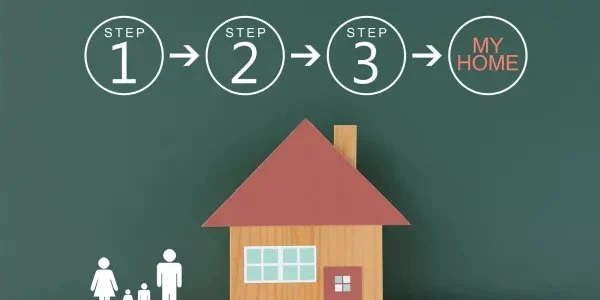
- 1- Understanding the Home Buying Process
- 2- Preparing Financially for Buying a Home
- 3- How to Find the Right Home for You
- 4- Making an Offer and Negotiating
- 5- The Closing Process: What to Expect
- 6- Common Mistakes to Avoid During the Home Buying Process
1- Understanding the Home Buying Process
The home buying process can seem overwhelming, especially for first-time buyers. However, understanding the steps involved can make the journey much easier. From securing financing to signing closing papers, each step in the process is essential to ensure a successful purchase. In this guide, we’ll break down each phase of the home buying process, so you can feel confident and prepared.

90W Luxury Apartments / 90w nyc
New YorkNew York CountyNew York
90 Washington St, New York, NY 10006, USA
Why Understanding the Process Is Important
By understanding the entire home buying process, you’ll be able to anticipate what’s coming next and make informed decisions. It will help you avoid costly mistakes, reduce stress, and ensure that you are choosing the right home for your needs. Whether you're a first-time buyer or someone who's bought before, this process applies to everyone.

2- Preparing Financially for Buying a Home
Before you start house hunting, it’s important to assess your financial situation and prepare for the costs associated with buying a home. Here are key steps to take:
1. Check Your Credit Score
Your credit score plays a big role in determining your mortgage eligibility and the interest rate you’ll receive. A higher credit score can mean better loan terms, while a lower score might limit your options. It's a good idea to check your credit score early on and take steps to improve it if needed.
2. Determine Your Budget
Knowing how much home you can afford is crucial. Lenders typically suggest that your mortgage payment should not exceed 28-30% of your gross monthly income. Take into account other factors like property taxes, insurance, and maintenance costs when determining your budget.
3. Save for a Down Payment
One of the most significant upfront costs when buying a home is the down payment. While it varies, the standard down payment is typically 20% of the home’s purchase price. However, there are options for buyers with lower down payment requirements, such as FHA loans.
3- How to Find the Right Home for You
Once you're financially prepared, the next step is finding the right home. This is the fun part, but it can also be a little overwhelming. Here’s how to approach it:
1. Create a List of Must-Haves
Before you start viewing homes, make a list of must-have features. Do you need a certain number of bedrooms? Is a large backyard important? Are you looking for specific amenities like a garage or updated appliances? Knowing your must-haves can help narrow down your options and save time during your search.
2. Work with a Real Estate Agent
A good real estate agent will be your guide throughout the home-buying process. They can help you find properties that meet your criteria, negotiate with sellers, and provide valuable insight into local neighborhoods. A qualified agent is crucial to helping you find the right home for your budget and lifestyle.
3. Attend Open Houses and Showings
Visiting homes in person is an essential part of the buying process. Open houses and private showings allow you to see the property up close and get a better sense of its condition. Take notes and ask questions about the home’s history, age, and any recent repairs or updates.
4- Making an Offer and Negotiating
Once you've found the right home, it’s time to make an offer. This step requires strategy, negotiation, and an understanding of the current market conditions. Here’s how to proceed:
1. Make a Competitive Offer
Your real estate agent will help you determine a fair price based on the local market and comparable homes. In a seller's market, where demand exceeds supply, you may need to offer more than the asking price. Conversely, in a buyer’s market, where supply exceeds demand, you may be able to negotiate a lower price.
2. Include Contingencies
When making an offer, include contingencies that protect you. Common contingencies include a home inspection, appraisal, and financing. These conditions give you the ability to back out of the deal or renegotiate if issues arise during the process.
3. Negotiate Terms
Once the seller receives your offer, they may counter with different terms. This is where negotiation comes in. Your real estate agent can help you navigate this phase and ensure that both parties are satisfied with the terms of the contract.
5- The Closing Process: What to Expect
The closing process is the final step in buying your home. It involves signing paperwork, paying closing costs, and officially transferring ownership of the property. Here’s what you can expect:
1. Review the Closing Disclosure
Before closing, you’ll receive a Closing Disclosure, which outlines all the final costs associated with the sale, including loan fees, insurance, and taxes. Take time to review this document carefully and ask your agent or lender about any unclear charges.
2. Final Walkthrough
Before you sign the final documents, you’ll have a chance to do a final walkthrough of the home. This is your opportunity to ensure that everything is in the agreed-upon condition and that any requested repairs have been made.
3. Sign the Paperwork and Close the Deal
At the closing, you'll sign various documents, including the mortgage agreement and deed. Once the paperwork is complete and funds are transferred, you’ll receive the keys to your new home!
6- Common Mistakes to Avoid During the Home Buying Process
While buying a home is an exciting and rewarding process, it's easy to make mistakes along the way. Here are some common mistakes to avoid:
1. Overlooking Total Costs
Many buyers focus on the price of the home but forget about additional costs such as property taxes, insurance, and maintenance. Make sure you budget for all expenses associated with homeownership.
2. Skipping the Home Inspection
Never skip a home inspection. This step helps identify potential issues that may not be obvious, such as structural problems or outdated plumbing. It’s better to uncover problems before finalizing the sale rather than after moving in.
3. Ignoring Future Needs
It’s easy to get caught up in the excitement of buying a home, but it’s important to consider your long-term needs. Think about factors such as future family size, school districts, and commuting times when choosing a home.
By following these steps and avoiding common mistakes, you’ll be well on your way to navigating the home buying process successfully. For personalized guidance and expert advice, reach out to the professionals at Luxen House Realty Hub, who can help you find your dream home with ease.






 Newmark4.0 (7 reviews)
 EZ Short Sales0.0 (0 reviews)
 The Yard Williamsburg4.0 (20 reviews)
 Mova Living | Furnished Serviced Apartments for Rent New York4.0 (7 reviews)
 Hudson Piers4.0 (6 reviews)
 Lena Matatov- Lic. Real Estate Associate Broker of EXIT Realty First Choice4.0 (48 reviews)
 How to Maximize Returns When Flipping Homes
 Tips for Buying a Vacation Home in 2025: A Complete Guide
 How to Research Local Market Conditions Before Buying a Property
 Understanding Different Types of Home Loans: Find the Best Option for You
 The Importance of Home Inspections
 Navigating the Post-Pandemic Housing Market: Trends to Watch in 2025