
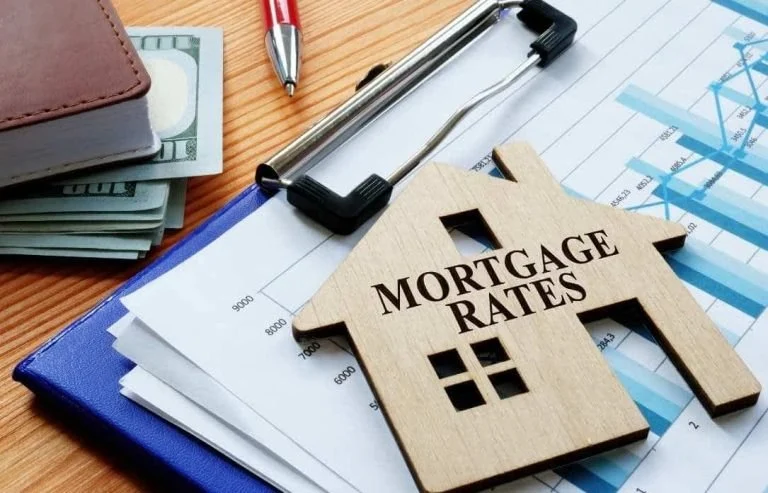
1. Understanding the Impact of Mortgage Rates on the 2025 Housing Market
As we approach 2025, the housing market remains a key area of interest for both home buyers and sellers. One of the most significant factors shaping this market is mortgage rates. Mortgage rates directly affect the affordability of homes, influencing decisions made by prospective buyers, sellers, and even investors. Understanding how these rates are projected to change and how they will influence the housing market is crucial for anyone looking to make real estate decisions in the coming year.

West 130 / 130 west hempstead apartments
West HempsteadNassau CountyNew York
130 Hempstead Ave, West Hempstead, NY 11552, USA
1.1 The Role of Mortgage Rates in Housing Market Dynamics
Mortgage rates serve as a key driver of the housing market, affecting the cost of financing a home purchase. When rates are low, homes become more affordable, encouraging buyers to enter the market. Conversely, when rates rise, monthly payments increase, which can lead to a slowdown in home sales. Additionally, mortgage rates influence the overall demand for real estate, making them a central component in housing market predictions for 2025.

787 Seventh Avenue / 787 seventh avenue new york
New YorkNew York CountyNew York
787 7th Ave, New York, NY 10019, USA
1.2 Mortgage Rates and Their Long-Term Effects on the Housing Market
While short-term fluctuations in mortgage rates can create temporary shifts in the housing market, their long-term impact can shape broader trends. For example, in times of rising rates, buyers may be hesitant to commit to new mortgages, leading to a drop in demand for homes. This, in turn, could lower home prices and influence sellers’ decisions to either list their homes or hold off until the market becomes more favorable. As we move toward 2025, understanding these dynamics will be critical for anyone considering buying or selling real estate.
2. Predictions for Mortgage Rates in 2025
Experts have varied opinions on what mortgage rates will look like in 2025, but a few trends are beginning to emerge. In this section, we’ll discuss the factors that could impact mortgage rates, as well as what to expect in the coming year.
2.1 Economic Factors Driving Mortgage Rates
Mortgage rates are primarily influenced by broader economic factors, including inflation, the Federal Reserve’s monetary policy, and the overall health of the economy. In 2025, experts predict that mortgage rates will continue to be influenced by the Fed’s actions regarding interest rates. If the Federal Reserve decides to raise interest rates further to combat inflation, mortgage rates could rise as well. This could make home buying less affordable for many prospective buyers.
2.2 Inflation and Its Effect on Mortgage Rates
Inflation has been a major topic in recent years, and its continued impact will play a large role in shaping mortgage rates. If inflation continues to rise, the Federal Reserve may respond by increasing interest rates, which in turn will push mortgage rates higher. Higher mortgage rates can reduce buyers’ purchasing power, leading to a cooling of the housing market. However, if inflation stabilizes, mortgage rates could remain relatively low, encouraging more activity in the housing market.
2.3 Global Economic Influences
Global economic events, such as supply chain disruptions, geopolitical tensions, or shifts in global trade, can also affect mortgage rates. For instance, if global uncertainty increases, investors may seek safer assets like U.S. Treasury bonds, which can lower interest rates, including mortgage rates. However, any major shifts in global markets could lead to volatility in mortgage rates, creating fluctuations in the housing market.
3. How Rising Mortgage Rates Will Affect the 2025 Housing Market
With mortgage rates expected to rise, it’s important to understand how this will affect the 2025 housing market. Higher rates can have a significant impact on homebuyers, sellers, and investors. In this section, we’ll explore the potential consequences of rising mortgage rates on the housing market.
3.1 Impact on Homebuyers
For homebuyers, higher mortgage rates can lead to increased monthly payments, reducing the affordability of homes. As borrowing becomes more expensive, many first-time homebuyers may be priced out of the market, while existing homeowners may choose to stay put rather than upgrading. In turn, this could reduce the number of available buyers in the market, leading to slower sales. Buyers who remain in the market will likely be more cautious, carefully considering their options before committing to a purchase.
3.2 Effects on Sellers
Sellers may also feel the impact of rising mortgage rates. As demand for homes decreases due to higher borrowing costs, sellers may struggle to get the prices they expect. This could lead to more competition among sellers, with properties remaining on the market longer. Some sellers may choose to hold off listing their homes, waiting for rates to drop or stabilize. As a result, there could be a temporary slowdown in the number of homes available for sale in 2025.
3.3 Investor Considerations
Real estate investors are closely watching mortgage rates as well. Rising rates could make it more expensive to finance investment properties, reducing potential returns on investment. However, some investors may see higher rates as an opportunity to purchase properties at lower prices if the overall market cools. Additionally, higher rates could lead to a shift in the types of properties investors are interested in, as they look for more stable and predictable income streams.
4. Real-Life Case: The Impact of Rising Mortgage Rates on a Local Housing Market
To illustrate how mortgage rates are shaping the housing market, let’s take a look at a real-life case. In 2023, rising mortgage rates in a suburban area of Texas caused a slowdown in the housing market. Buyers became more cautious, and homes that were once in high demand began sitting on the market for longer periods. As mortgage rates continued to rise into 2024, sellers had to adjust their expectations, lowering prices to remain competitive. This case study highlights how rising rates can significantly impact both buyers and sellers in a specific market.
5. Conclusion: Navigating the 2025 Housing Market
As we look ahead to 2025, mortgage rates will continue to play a central role in shaping the housing market. While rising rates may present challenges for homebuyers and sellers, it’s important to stay informed and be prepared. Whether you’re considering buying a home, selling, or investing in real estate, understanding the relationship between mortgage rates and the housing market will help you make better decisions. For the latest insights and personalized advice on navigating the 2025 housing market, visit Luxen House Realty Hub to find the best resources and services tailored to your needs.





 Signature Premier Properties | Northport3.0 (5 reviews)
 Regus - Valley Stream4.0 (39 reviews)
 Medical Real Estate0.0 (0 reviews)
 Foundation Realty Group, LLC0.0 (0 reviews)
 Nicole Burke Realtor, Real Estate Associate Broker Charles Rutenberg Realty5.0 (82 reviews)
 6 Greene St - Soho Office Space5.0 (9 reviews)
 Understanding Closing Processes and Key Documentation
 How to Identify Up-and-Coming Neighborhoods for Investment
 Is It a Buyer’s Market in 2025? Analyzing Current Real Estate Trends
 Understanding Closing Costs: What to Expect When Buying a Home
 How Inflation Is Affecting Real Estate Prices in 2025: Insights and Trends
 How to Make Your Home More Attractive to International Buyers