
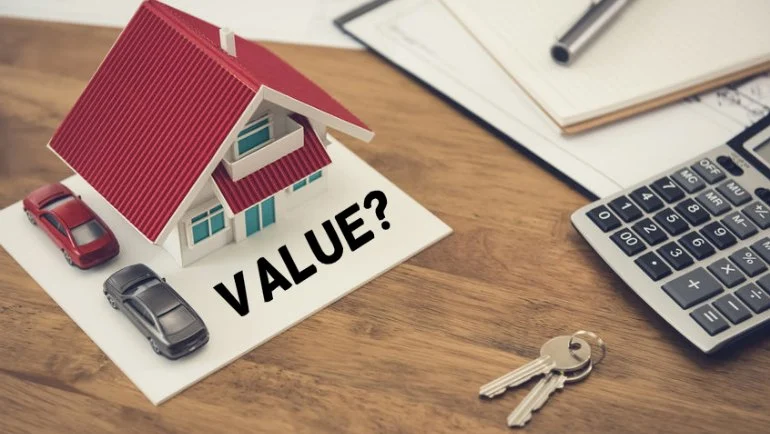
Understanding Property Valuation Methods for Buyers and Sellers
When it comes to buying or selling property, understanding how the value of a property is determined is crucial. Whether you are a buyer looking for a fair deal or a seller wanting to price your home correctly, understanding the different property valuation methods can give you a significant advantage. In this guide, we will break down the most commonly used property valuation methods and provide insights into how they can impact your decision-making process.
- 1. Market Comparison Approach: How to Compare Properties
- 2. Cost Approach: Estimating Replacement Costs
- 3. Income Approach: Valuing Income-Generating Properties
- 4. Professional Property Appraisal: When to Call in an Expert
- 5. Choosing the Right Valuation Method: Factors to Consider
1. Market Comparison Approach: How to Compare Properties
The market comparison approach, also known as the comparative market analysis (CMA), is one of the most common methods for determining property value. It involves comparing the property in question to similar properties (comps) that have recently sold in the same area. This method is particularly useful for residential properties and offers a realistic value based on what buyers are willing to pay in the current market.

Prism at Park Avenue South Apartments / prism at park avenue south apartments
New YorkNew York CountyNew York
50 E 28th St, New York, NY 10016, USA
1.1. Factors to Consider in Market Comparisons
When using the market comparison approach, factors such as location, size, condition, and amenities are all considered. For instance, if a neighboring property with similar features recently sold for a certain price, this price can help establish the value of your property. Adjustments are made to account for differences in features or condition.

90W Luxury Apartments / 90w nyc
New YorkNew York CountyNew York
90 Washington St, New York, NY 10006, USA
2. Cost Approach: Estimating Replacement Costs
The cost approach to property valuation estimates the value of a property based on the cost it would take to replace or rebuild the property. This approach is often used for newer properties or properties that do not have comparable sales. It calculates the value of the land plus the cost to replace the building, minus depreciation.
2.1. Ideal for Unique or New Properties
This method is most effective when valuing properties that are unique, such as custom-built homes or newly constructed buildings. It helps determine the fair market value by considering the replacement cost of the property. However, it may not always account for the intrinsic value that might come from location or other market conditions.
3. Income Approach: Valuing Income-Generating Properties
The income approach is typically used for investment properties, such as apartment buildings, commercial real estate, or rental properties. This method values the property based on its potential to generate income. It takes into account rental income, operating expenses, and the potential for future cash flow.
3.1. Capitalization Rate (Cap Rate)
One of the key components of the income approach is the capitalization rate (cap rate), which is used to determine the return on investment for the property. The formula is simple: divide the property's net operating income (NOI) by the property’s current market value or purchase price. This gives you an estimate of the return an investor could expect on their investment.
4. Professional Property Appraisal: When to Call in an Expert
Sometimes, relying on an expert to evaluate the property is the best route. A professional property appraisal is conducted by a licensed appraiser who uses a combination of the methods mentioned above to determine a fair market value. Appraisals are often required by lenders during the home-buying process to ensure that the property is worth the loan amount.
4.1. How Appraisers Assess Property Value
Appraisers take into account both objective data, such as comparable sales and costs, and subjective factors like the condition of the property and any unique features it may have. They will provide a written report that includes a detailed breakdown of how the property value was determined.
5. Choosing the Right Valuation Method: Factors to Consider
When deciding which property valuation method to use, there are several factors to consider. For buyers, a market comparison approach may be the most helpful, as it allows you to compare similar properties and get an accurate sense of the local market. For sellers, a combination of methods may be more useful, especially if you're looking to establish a competitive asking price.
5.1. Factors for Buyers
As a buyer, you want to make sure you’re paying a fair price. The market comparison approach is a good starting point, but you should also consider having a professional appraisal done if you are unsure about the value of a property or if it is a more unique or complex property.
5.2. Factors for Sellers
Sellers should use a combination of methods, including market comparisons and the cost approach, to establish a reasonable asking price. Having an appraisal done can also help you understand the market value and avoid underpricing or overpricing your property.
At Luxen House Realty Hub, we offer expert advice and resources to help both buyers and sellers navigate the property valuation process with confidence. Whether you're looking to buy or sell, understanding these valuation methods can help you make informed decisions in today's real estate market.





 Anthony Atkinson - Weichert Realtors Quality Homes-Baldwin4.0 (13 reviews)
 Lee & Associates0.0 (0 reviews)
 Walter Florian- Found it llc4.0 (25 reviews)
 Avalon Amityville3.0 (119 reviews)
 Jack Jaffa & Associates4.0 (240 reviews)
 Bedford Emsculpt NYC0.0 (0 reviews)
 Tips for Buying Vacation Rental Properties Successfully
 How to Research Neighborhood Trends Before Buying – Smart Homebuyer Insights | Luxen House Realty Hub
 Best Mortgage Options: How to Choose the Right One for Your Financial Situation
 How to Finance a Home Purchase With Minimal Stress
 Tips for Managing Rental Properties Efficiently
 How to Use Online Platforms to Market Your Property: A Guide for Real Estate Success