
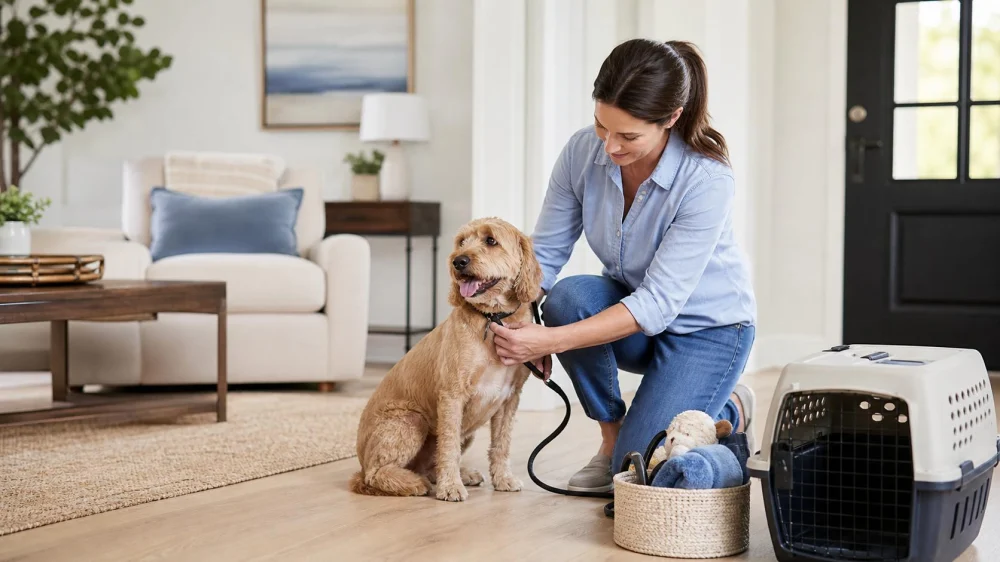
Selling a Home With Pets: A Practical Showing Plan
On this page
Quick answer
When selling a home with pets, arrange a safe place for each animal during showings, remove waste and excess pet items, control odors at their source, and give your agent clear access instructions. Repair visible pet damage and answer property-condition questions honestly. Use a simple departure checklist so rushed showing requests do not create an escape, bite, stress, or privacy risk.
This guide is for U.S. home sellers with common household pets. Animal behavior, lease or association rules, insurance, and real estate disclosure duties vary, so get individual advice when those issues affect your sale.
Avalon Brooklyn Bay / avalon brooklyn bay
1501 Voorhies Ave, Brooklyn, NY 11235, USA
Plan around your pet, not just the showing
Start by considering how each pet responds to strangers, doorbells, unfamiliar voices, travel, confinement, and changes in routine. A friendly animal can still run through an open door, become protective, hide, or interfere with a visitor. A sign or verbal warning alone is not a reliable safety plan.
Choose a primary showing arrangement and a backup:
- Take the pet on a walk or drive before visitors arrive.
- Arrange daycare, boarding, a sitter, or help from a trusted person.
- Use a secure off-site location for longer open-house periods.
- For animals that should not travel frequently, ask your agent whether longer notice or grouped showing windows are practical.
Keeping an animal in a closed room, garage, yard, or crate during a showing can still create risk. Visitors may open doors, weather may change, and the pet may be distressed. Discuss the plan with your veterinarian or qualified behavior professional when travel, handling, or repeated disruption could affect the animal's health or safety.

Prepare the property honestly
Buyers should be able to assess the home without navigating bowls, gates, litter, toys, food bags, or pet bedding. Consolidate everyday supplies in a clean, portable basket so they can leave with the pet. Store food in sealed containers and remove waste from the home and yard before each showing.
Address odor at its source. Wash washable fabrics, clean hard surfaces with products appropriate for the material, replace heavily soiled filters when needed, and maintain litter or enclosure areas. Avoid heavy fragrances that may bother visitors or appear to mask a problem. Do not mix cleaning chemicals, and keep all products secured away from animals and children.
Inspect walls, doors, floors, screens, trim, cabinets, fencing, and landscaping for scratches, stains, chewing, digging, or moisture. A cosmetic touch-up may be simple, but damaged flooring, subfloor, doors, or fencing may need professional evaluation. Match repairs to the actual material instead of covering damage temporarily.
Create a repeatable showing routine
A written routine reduces mistakes when a buyer requests a short-notice visit. Divide the work into three stages.
- Before confirmation: Make sure your pet-care arrangement is available, agree on the arrival window, and tell the agent about any access restrictions.
- Before departure: Secure the pet in its carrier or vehicle as appropriate, pack medicines and essentials, remove bowls and waste, check the yard, and close storage containing pet supplies.
- After the showing: Confirm visitors have left, inspect doors and gates, return the pet calmly, restore food or medication routines, and note any signs of stress.
Keep leashes, carriers, cleaning supplies, treats, records, and necessary medicines in known locations. Do not leave medicines, veterinary paperwork, identification tags, microchip documents, or boarding records where visitors can see personal information.
Tell your agent where a pet normally lives and whether equipment such as an invisible fence, pet door, enclosure, aquarium, heat lamp, or automatic feeder affects access or utilities. Clear information helps prevent accidental disconnection or unsafe handling.
Protect people and animals
The safest default is physical separation between pets and visitors. Buyers may bring children, have allergies or fears, or open exterior doors while studying the property. Other agents may not know the animal's signals or routine.
- Do not ask visitors to feed, hold, move, or supervise a pet.
- Do not rely on a note taped to a door as the only containment measure.
- Remove animals from yards that buyers need to inspect.
- Secure tanks, cages, heat sources, cords, and specialty equipment.
- Keep veterinary and emergency contact information with the caregiver.
- Update tags and microchip contact details before the listing becomes active.
If an animal has a bite history, escape risk, severe anxiety, or medical fragility, consult appropriate professionals before showings begin. Your real estate agent, insurer, veterinarian, attorney, or animal behavior professional may each address a different part of the risk.
Plan for open houses and busy days
An open house creates more foot traffic and less predictable door movement than a scheduled private tour. Off-site care is usually easier to manage than trying to isolate a pet somewhere on the property. Arrange enough time before and after the event to avoid hurried transfers while visitors are present.
For several showings on one day, consider one longer off-site block. Pack food, water, medicine, cleanup supplies, a familiar resting item, and documentation required by the caregiver. Preserve feeding and medication schedules as closely as practical.
After a busy period, check fencing, doors, windows, screens, and pet equipment before bringing the animal home. Watch for unusual stress, appetite, breathing, elimination, or behavior and contact a veterinarian when you are concerned.
Address damage and disclosure questions
Pet ownership itself is not the same as a property defect, but animal-related damage or conditions may be material. State and local disclosure rules differ. Tell your agent about known issues such as damaged floors, persistent moisture, repaired doors, altered fencing, pest treatment, or other conditions that could affect the property.
Keep invoices, treatment records, permits, and warranties for material work. Do not make an unsupported claim that an odor, allergen, pest, or contaminant has been completely eliminated. A qualified cleaner, contractor, inspector, pest professional, or environmental specialist can evaluate work within their expertise.
If a buyer asks a direct condition question, answer truthfully and coordinate with your agent or real estate attorney when the legal scope is unclear. Cosmetic staging should not conceal damage that must be disclosed or evaluated.
Important limitations
- Rules about showings, disclosures, animals, assistance animals, associations, and insurance vary by location and situation.
- A real estate agent is not a veterinarian, behaviorist, contractor, environmental tester, or attorney.
- Odor can have several sources; do not assume it is pet-related without investigation.
- Cleaning products and essential oils can pose risks to people, pets, and surfaces. Follow manufacturer and veterinary guidance.
- Never leave an animal in a vehicle or outdoor area when temperature, ventilation, security, or supervision is unsafe.
Frequently asked questions
Should pets be present during a home showing?
Physical separation off-site is often the clearest plan because it reduces escape, stress, allergy, and interaction risks. The right arrangement depends on the animal and property. Do not leave visitors responsible for pet safety.
Do I need to remove every sign of a pet?
No, but remove waste, excess supplies, damaged disposable items, and objects that block access. Keep necessary equipment safe and clean. The goal is a property buyers can assess comfortably, not a misleading impression.
How should I deal with pet odor before listing?
Clean the source, ventilate appropriately, wash affected materials, and seek professional help for persistent odor or contamination. Strong fragrance is not a substitute for correction and may make assessment harder.
What if my pet cannot leave easily?
Tell your agent before marketing begins. Explore longer notice, grouped appointments, virtual screening, a trusted caregiver, or veterinary advice. A secure plan should account for access, stress, temperature, medication, and emergency handling.
Should I repair scratched floors before selling?
Compare the damage, material, repair quality, cost, and likely buyer concern. Ask a qualified flooring professional when the finish or material may be difficult to match, and discuss selling strategy with your agent.
Next steps
Choose primary and backup pet-care arrangements before the listing goes live. Build a small departure kit and a five-minute property checklist, give your agent precise instructions, and repair or document known damage. Rehearse the routine once so the first showing is not the test.
Sources and evidence note: This article reflects general home-showing, animal-safety, cleaning, and risk-management practices. Property, disclosure, insurance, and animal rules are location-specific; verify important decisions with qualified local professionals.






 Carmo Companies5.0 (1 reviews)
 Thomas Campenni Co1.0 (1 reviews)
 Thor Equities0.0 (0 reviews)
 Upper East Side Rental4.0 (1 reviews)
 Home Affordable Realty Corporation0.0 (0 reviews)
 Ideal Properties Realty LLC5.0 (73 reviews)
 How to Increase Your Home’s Value Before Selling: Expert Tips
 The Impact of Interest Rates on the Housing Market | Luxen House Realty Hub
 How to Buy Property in Areas With High Appreciation Rates
 Check Home Insurance Availability Before You Make an Offer
 How to Sell Your Home Quickly
 How to Sell Your Home Without Lengthy Delays: A Step-by-Step Guide