

- Understanding the Market
- Preparing for Negotiation
- Setting Your Price
- Handling Offers and Counteroffers
- Common Negotiation Mistakes to Avoid
- Closing the Deal
- Why Luxen House Realty Hub Can Help
Understanding the Market
Before diving into negotiations, it’s crucial to have a solid understanding of the current real estate market. In a seller’s market, where demand exceeds supply, you may have more leverage in negotiations. On the other hand, in a buyer’s market, sellers must work harder to attract offers. Research the local market conditions, including comparable property prices (comps) in your neighborhood, to ensure you're not overpricing or underpricing your home.
Understanding trends like the seasonality of the market can also help you time your listing and negotiation strategies. For example, spring and summer are traditionally busier times for real estate transactions, offering a larger pool of buyers. On the other hand, winter might bring fewer buyers but could result in less competition for your home.

Prism at Park Avenue South Apartments / prism at park avenue south apartments
New YorkNew York CountyNew York
50 E 28th St, New York, NY 10016, USA
Preparing for Negotiation
Successful home selling starts with preparation. Before you begin receiving offers, take the time to ensure your home is ready for potential buyers. This includes making necessary repairs, decluttering, and staging the home to highlight its best features. The better your home looks, the more likely you are to receive attractive offers.
Additionally, having a pre-sale inspection or appraisal done can provide you with an objective assessment of your home’s value. This will not only help you set a fair price but also give you a negotiating edge if a buyer tries to lowball you.
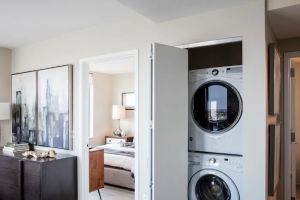
Avalon Brooklyn Bay / avalon brooklyn bay
1501 Voorhies Ave, Brooklyn, NY 11235, USA
Setting Your Price
Pricing your home correctly is one of the most important aspects of a successful sale. If your home is priced too high, you risk scaring off potential buyers. Conversely, pricing too low may result in leaving money on the table. To avoid this, set a competitive price based on a comparative market analysis (CMA) conducted by a real estate professional. This will help you understand how similar homes in your area have sold and give you an accurate price range.
While you may have a certain price in mind, remember to remain flexible during negotiations. Consider your bottom line—the lowest amount you're willing to accept—and use this as a guide to evaluate incoming offers. Having a clear price strategy allows you to negotiate with confidence.
Handling Offers and Counteroffers
Once you start receiving offers, it's time to review them carefully. It’s essential not to rush into accepting the first offer unless it's exactly what you were hoping for. Take time to assess the terms of each offer, including the buyer’s contingencies, financing options, and proposed closing dates. In a competitive market, you may find yourself in a multiple offer situation, which gives you an opportunity to negotiate for a better price or more favorable terms.
When countering an offer, be strategic. It’s not just about price—consider other terms, such as closing costs or contingencies. For example, you could ask the buyer to waive certain contingencies or request a quicker closing date. Always keep in mind your ultimate goals, whether it’s maximizing your sale price, closing quickly, or avoiding contingencies.
Common Negotiation Mistakes to Avoid
Negotiating the sale of a home can be challenging, and sellers often make mistakes that hinder their chances of getting the best deal. Here are some common pitfalls to avoid:
- Overpricing your home: Pricing your home too high may discourage potential buyers, while underpricing could result in a sale below market value.
- Getting too emotional: Selling a home can be an emotional process, but it’s important to approach negotiations with a clear mind and stay objective.
- Not being flexible: While it’s important to have a target price, being too rigid with your terms can turn away serious buyers.
- Ignoring contingencies: Pay attention to contingencies like inspections or financing, as they can affect the outcome of the sale.
Closing the Deal
Once you've agreed on a price and terms, it’s time to move toward closing. The closing process involves several steps, including finalizing the buyer’s financing, completing any required inspections, and addressing any last-minute issues that arise. It's essential to stay in communication with your real estate agent and the buyer’s agent to ensure the process moves smoothly and stays on schedule.
Be prepared to negotiate during this phase as well. Sometimes, buyers may request additional repairs or credits before closing, so be ready to make concessions if needed. A successful negotiation is about reaching an agreement that works for both parties, ensuring a smooth transaction from start to finish.
Why Luxen House Realty Hub Can Help
At Luxen House Realty Hub, we understand the intricacies of the home-selling process and are here to help you get the best deal. Our experienced team of real estate professionals will guide you through every step of the negotiation process, ensuring you maximize your home’s value. Whether you’re selling for the first time or have previous experience, we can help you avoid common mistakes and achieve your real estate goals.






 Bridgeview Dumbo3.0 (14 reviews)
 Idalia Hernandez, REALTOR | CENTURY 21 Elite Realty5.0 (9 reviews)
 Miriam "Lori" Morrow - Lori Morrow Homes-Associate Broker- KWNY4.0 (67 reviews)
 1740 Broadway3.0 (8 reviews)
 Realty Executives Powerhouse4.0 (4 reviews)
 Bohemia Realty Group4.0 (407 reviews)
 How to Sell a Home in a Slow Market: Tips for a Successful Sale
 The Benefits of Owning vs. Renting a Home
 Understanding the Importance of Neighborhood Demographics in Real Estate Decisions
 Best Mortgage Options: How to Choose the Right One for Your Financial Situation
 How to Identify Real Estate Opportunities in Emerging Markets | 2025 Guide
 Tips for Buying Property Near Major Amenities in the U.S.