
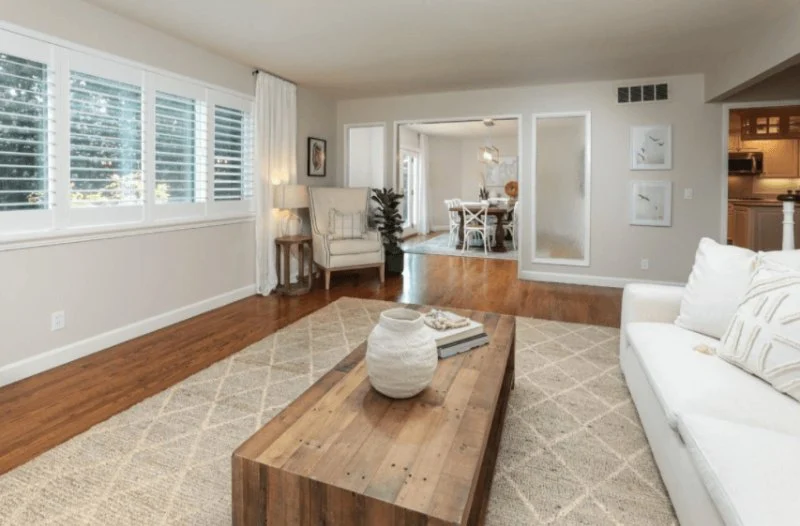
Why Vacant House Staging Matters More Than Most Sellers Expect
A vacant property often feels colder and smaller than it actually is. When buyers walk into an empty home, they struggle to visualize how rooms function, which reduces emotional connection. This is where vacant house staging becomes a strategic advantage rather than a cosmetic upgrade.
In competitive US real estate markets, especially in suburban neighborhoods and mid-range housing segments, staged homes consistently attract more interest and stronger offers. The reason is simple: buyers are not just purchasing walls and square footage—they are buying a lifestyle vision.
One real estate agent in Phoenix once noted that nearly identical homes sold at drastically different speeds simply because one was staged and the other wasn’t. The staged home received multiple offers within a week.
Understanding Low Budget Home Staging Without Sacrificing Appeal
Many homeowners assume staging requires expensive furniture rentals or professional designers. However, low budget home staging is about smart visual decisions rather than spending more money.
Focus on Visual Warmth Instead of Full Furnishing
Instead of filling every room, the goal is to suggest function. A simple chair, a small rug, or even strategically placed lighting can help define a space without overwhelming costs.
Use What You Already Have
One of the most effective DIY home staging tips is repurposing existing furniture. A dining table from another property or even borrowed décor pieces can dramatically improve presentation.
Minimal Investment, Maximum Return Thinking
Affordable improvements like fresh paint, updated door handles, or clean curtains often deliver higher returns than renting expensive staging sets.
Room-by-Room Staging Techniques That Influence Buyer Emotion
Buyers evaluate homes emotionally before they evaluate them logically. That’s why real estate staging ideas should always focus on experience rather than decoration.
Living Room: Create a Central Focal Point
Even in an empty home, defining a focal point such as a simple coffee table setup or a neutral rug helps anchor the room visually. This makes the space feel livable.
Kitchen: Clean Lines and Simplicity
Countertops should be completely cleared except for minimal, intentional décor like a bowl of fruit. Clean surfaces signal maintenance and care.
Bedrooms: Soft Suggestion of Comfort
A staged bed does not need luxury bedding. Neutral sheets, layered textures, and simple pillows create the impression of comfort without high cost.
Bathrooms: Hotel-Like Simplicity
Fresh towels, neutral colors, and uncluttered surfaces make bathrooms feel more premium even in older homes.
Lighting and Color Choices That Increase Perceived Value
Lighting is one of the most underestimated tools in affordable home staging. A well-lit room feels larger, cleaner, and more inviting.
Natural Light Optimization
Open blinds and remove heavy curtains to allow maximum daylight exposure. Buyers often associate natural light with positive energy and better living conditions.
Warm Artificial Lighting
Using warm-toned bulbs instead of harsh white lighting creates a softer and more welcoming atmosphere.
Neutral Color Strategy
Light grays, soft whites, and beige tones help neutralize personal taste, allowing buyers to imagine their own furniture and style in the space.
Real Case: How a Vacant Home Sold Faster With Simple Staging Changes
A homeowner in Atlanta had a vacant three-bedroom property on the market for over two months with little interest. Despite being priced competitively, buyers felt the home looked “smaller than expected.”
Instead of reducing the price further, the agent suggested a low-budget staging approach: borrowed furniture, fresh paint in neutral tones, and minimal décor placement.
Within three weeks, the same home received multiple offers and eventually sold above asking price. The only major change was perception—not structure.
Common Mistakes Sellers Make When Staging on a Budget
Trying to save money is smart, but certain mistakes can reduce impact and even hurt sale potential.
Overdecorating Empty Spaces
Too many decorative items can distract buyers and make rooms feel smaller.
Ignoring Odor and Cleanliness
No amount of staging can fix unpleasant smells or visible dirt. Cleanliness always comes first.
Using Personal Items
Family photos or highly personal décor prevent buyers from imagining themselves in the space.
Smart Ways to Access Affordable Staging Resources
Homeowners don’t need to handle everything alone. Platforms like Luxen House Realty Hub provide guidance, ideas, and curated resources that help simplify the staging process without unnecessary spending.
From budget-friendly décor suggestions to property presentation strategies, having access to structured guidance can significantly improve outcomes for sellers trying to maximize value.
Final Perspective on Budget-Friendly Home Presentation Strategy
Effective staging is not about expensive furniture or luxury styling. It is about shaping perception. With thoughtful planning, even a vacant property can feel warm, functional, and desirable.
When buyers can emotionally connect with a space, they are far more likely to act quickly and confidently—often resulting in faster sales and better offers.



 Avenue New York4.0 (4 reviews)
 Suburban Jungle Group5.0 (282 reviews)
 Natasha Williams - Cornelius Group Real Estate5.0 (11 reviews)
 West 1304.0 (169 reviews)
 The McKenna Team @REAL4.0 (25 reviews)
 825 Third Ave4.0 (8 reviews)
 Tips for Buying Property Near Major Amenities in the U.S.
 Understanding Chain of Title: A Clear Guide for Home Buyers
 Tips for Buying a Home in a Historic District: What You Need to Know
 How to Make Your Home More Appealing to Buyers in 2025: Expert Tips and Strategies
 How to Market Your Home Effectively | Luxen House Realty Hub
 How to Understand Home Inspection Reports: A Comprehensive Guide