
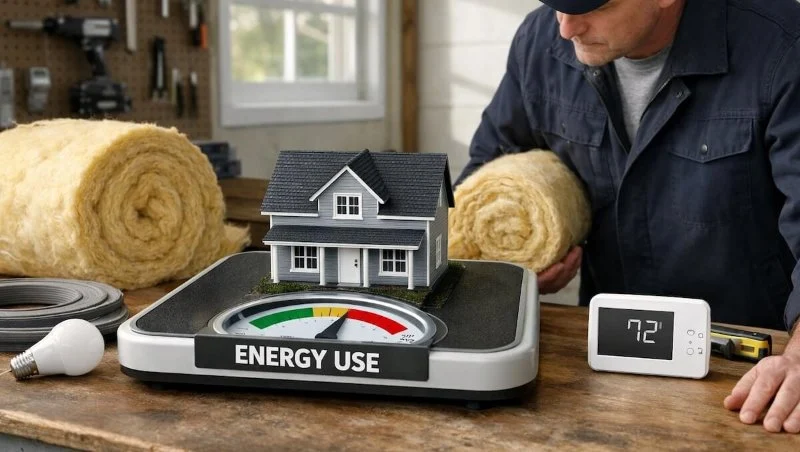
- home-energy-basics-understanding-consumption-patterns - electricity usage, heating loss, cooling efficiency
- insulation-and-sealing-energy-retention-strategies - walls, windows, doors, attic improvements
- smart-technology-energy-efficiency-upgrades - thermostats, sensors, automation systems
- lighting-and-appliance-efficiency-reduction-methods - LED upgrades, appliance ratings, standby power
- real-life-energy-saving-experience-homeowners - case studies, behavior changes, cost savings
- long-term-sustainable-living-energy-planning - green upgrades, solar readiness, future-proof homes
Understanding What Makes a Home Truly Energy Efficient
Creating an energy efficient home is no longer just an environmental choice—it has become a practical financial strategy for homeowners across the United States. Rising utility costs and unpredictable weather patterns have pushed many households to rethink how energy is consumed, lost, and managed inside the home.
At its core, home energy efficiency is about reducing waste without sacrificing comfort. That means keeping warm air inside during winter, preventing heat from entering during summer, and ensuring that appliances and systems operate at maximum efficiency. Many homeowners are surprised to learn that small structural issues, such as gaps around windows or outdated insulation, can account for a significant portion of wasted energy.
A homeowner in Minnesota once discovered that nearly 30% of their heating bill was caused by poorly sealed attic insulation. After making targeted improvements instead of a full renovation, their monthly energy costs dropped noticeably within one season. This kind of result is more common than most people expect.

787 Seventh Avenue / 787 seventh avenue new york
New YorkNew York CountyNew York
787 7th Ave, New York, NY 10019, USA
Insulation and Air Sealing: The Foundation of Home Energy Savings
One of the most important steps in improving home energy efficiency is addressing insulation and air leakage. Even the most advanced heating or cooling system cannot perform well if conditioned air continuously escapes through gaps and poorly insulated areas.

Prism at Park Avenue South Apartments / prism at park avenue south apartments
New YorkNew York CountyNew York
50 E 28th St, New York, NY 10016, USA
Attic and Wall Insulation Improvements
Heat naturally rises, which makes attic insulation one of the most critical barriers in a home. Upgrading insulation materials can significantly reduce heating demand during colder months. Wall insulation also plays a key role, especially in older homes built before modern energy standards were introduced.
Many homeowners choose blown-in cellulose or spray foam solutions because they fill irregular gaps more effectively than traditional fiberglass batts. These materials help stabilize indoor temperatures and reduce system workload.
Window and Door Sealing Techniques
Windows and doors are common sources of energy loss. Small gaps around frames can allow air exchange that forces HVAC systems to work harder. Weather stripping, caulking, and energy-efficient window films are simple yet powerful solutions that deliver immediate improvements.
In colder regions, homeowners often report noticeable comfort improvements within days of sealing drafts. Rooms feel more stable in temperature, and heating systems cycle less frequently, extending equipment lifespan.
Smart Technology and Modern Energy Control Systems
Technology has transformed how households manage energy consumption. Smart thermostats, for example, allow users to automatically adjust heating and cooling based on daily routines. This prevents unnecessary energy use when no one is home.
A family in California shared how installing a smart thermostat reduced their monthly electricity bill by nearly 15%. The system learned their schedule and optimized temperature settings without manual input. This kind of automation is becoming a standard feature in modern homes focused on efficiency.
Beyond thermostats, smart sensors and home automation systems can control lighting, monitor energy usage, and even detect inefficient appliances. These systems provide real-time insights that help homeowners make informed decisions.
For those looking to explore practical upgrade paths, platforms like Luxen House Realty Hub often highlight energy-efficient property features and home improvement solutions that align with long-term sustainability goals.
Lighting and Appliance Efficiency: Small Changes with Big Impact
Lighting and appliances may seem like minor contributors to energy consumption, but collectively they can account for a significant portion of household usage. Replacing traditional incandescent bulbs with LED lighting is one of the simplest ways to reduce electricity consumption.
LED bulbs use significantly less energy and last much longer, which reduces both utility bills and replacement costs. Similarly, choosing ENERGY STAR-rated appliances ensures that devices operate efficiently without unnecessary power waste.
One overlooked issue is standby power consumption, often called “phantom load.” Electronics such as televisions, chargers, and kitchen appliances continue drawing electricity even when turned off. Using smart power strips or unplugging unused devices can reduce this hidden energy drain.
Real-Life Home Energy Improvement Experience
A homeowner in Texas shared a practical experience that highlights how incremental upgrades can lead to major savings. Instead of renovating the entire house, they focused on targeted improvements: sealing window gaps, upgrading attic insulation, and installing a smart thermostat.
Within the first year, their energy bills dropped by more than 20%. More importantly, indoor comfort improved significantly during both summer heatwaves and winter cold snaps. The key takeaway from their experience was that energy efficiency does not require large-scale renovation—it requires strategic decision-making.
Another example comes from a rental property owner who upgraded lighting systems across multiple units. The investment paid for itself within two years due to reduced maintenance and lower utility costs, proving that efficiency upgrades can also be financially beneficial for landlords.
Long-Term Strategies for a Sustainable and Efficient Home
Building an energy efficient home is not a one-time project—it is an ongoing process of optimization and maintenance. As technology evolves, homeowners have more opportunities to integrate renewable energy systems such as solar panels or battery storage solutions.
Future-proofing a home also involves choosing materials and systems that adapt well to changing conditions. This includes energy-efficient windows, high-performance insulation, and HVAC systems designed for variable climates.
Another important strategy is monitoring energy usage over time. Many modern homes use digital dashboards that track consumption patterns, helping homeowners identify inefficiencies early before they become costly problems.
Ultimately, the goal is to create a living space that balances comfort, cost savings, and environmental responsibility. Small improvements add up over time, and consistent attention to efficiency can significantly reduce long-term household expenses while improving quality of life.





 Avenue New York4.0 (4 reviews)
 Suburban Jungle Group5.0 (282 reviews)
 Natasha Williams - Cornelius Group Real Estate5.0 (11 reviews)
 West 1304.0 (169 reviews)
 The McKenna Team @REAL4.0 (25 reviews)
 825 Third Ave4.0 (8 reviews)
 Tips for Buying Property Near Major Amenities in the U.S.
 Understanding Chain of Title: A Clear Guide for Home Buyers
 Tips for Buying a Home in a Historic District: What You Need to Know
 How to Make Your Home More Appealing to Buyers in 2025: Expert Tips and Strategies
 How to Market Your Home Effectively | Luxen House Realty Hub
 How to Understand Home Inspection Reports: A Comprehensive Guide