
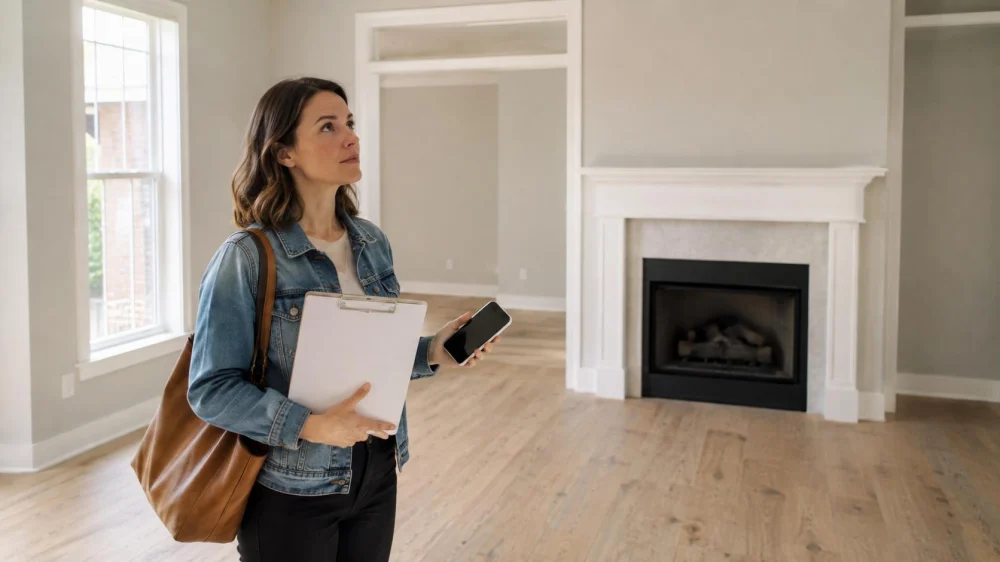
Home Viewing Notes: Compare Properties Consistently
On this page
Quick answer
home viewing notes is easiest to manage when you define the goal, verify the relevant details, and set clear stop conditions before acting. record the same observable facts and open questions at every property so emotion and memory do not distort a later comparison. Start with current instructions and observable facts, use a written checklist, and ask a qualified professional when the safe choice depends on technical, medical, legal, or site-specific judgment.

Prism at Park Avenue South Apartments / prism at park avenue south apartments
New YorkNew York CountyNew York
50 E 28th St, New York, NY 10016, USA
Understand home viewing notes
For this guide, home viewing notes means a deliberate process for a specific situation rather than a promise of one universal answer. The relevant details can change with equipment, venue, provider, product, weather, health, local rules, and individual needs. Separate what you can observe from what requires measurement, records, or professional judgment.
This article is for readers in United States who want a practical starting point. It is not a substitute for current manufacturer instructions, venue rules, public guidance, contracts, or advice from a qualified professional who can assess the actual situation.

787 Seventh Avenue / 787 seventh avenue new york
New YorkNew York CountyNew York
787 7th Ave, New York, NY 10019, USA
Practical checklist
- Define the property, decision, budget, timing, and deal stage before comparing information.
- Confirm whether each fact comes from a current source, a public record, a seller statement, an estimate, or an opinion.
- Compare like with like: location, property type, condition, size, features, date, and transaction terms can change relevance.
- Ask a qualified agent, inspector, lender, title professional, attorney, insurer, or tax authority only for questions within that role.
- Put deadlines, contingencies, included items, costs, and responsibilities in the written agreement rather than relying on conversation.
- Protect financial and identity information and independently verify payment instructions before transferring funds.
- Keep dated copies of listings, disclosures, reports, estimates, approvals, and signed documents.
Step-by-step plan
- Write the exact question the information must answer and the date by which a decision is required.
- Gather current primary documents and label assumptions or missing details.
- Compare the strongest alternatives using the same criteria and note material differences.
- Ask focused follow-up questions and request written clarification for anything that could affect price, condition, financing, title, insurance, or timing.
- Review the decision against contingencies and professional advice before waiving a protection or committing funds.
- Record the final basis for the decision, responsible parties, deadlines, and the next verification point.
Keep a short record for home viewing notes: date, observed condition, decisions, questions, responsible person, due date, and outcome. Photos or receipts can support the record when appropriate, but store personal, property, or account information securely.
Limits and important notes
Real estate practices, contracts, disclosures, taxes, insurance, licensing, and closing procedures vary by state and transaction. Online information and general checklists are not legal, tax, valuation, lending, inspection, or investment advice. Use qualified local professionals for decisions that affect rights, safety, financing, or substantial funds.
Stop and seek prompt help when home viewing notes involves an immediate hazard, loss of safe control, worsening damage, injury, fire, smoke, strong odour, or a condition outside the instructions and your competence. Use emergency services when people may be in immediate danger.
Frequently asked questions
What should I check first for home viewing notes?
Start with the immediate safety or suitability question, then verify current instructions, condition, scope, timing, and who is responsible.
When is the lowest price not the best choice?
When it changes scope, quality, safety, access, support, or total cost. Compare like with like and document exclusions.
Can online reviews answer the decision?
Reviews can reveal questions to ask, but they may be incomplete, outdated, or unrelated to your exact need. Verify important facts directly.
What if the information conflicts?
Pause and ask the responsible provider, manufacturer, venue, authority, or qualified professional to clarify in writing when possible.
What should I save afterward?
Keep the final instructions, receipt or agreement, relevant photos, results, warranty or follow-up details, and unresolved actions.
Sources and evidence
Use current primary information for home viewing notes: manufacturer instructions, the responsible venue or provider, written agreements, local authorities, and qualified professionals. Verify details for United States and the specific date because rules, availability, prices, and operating conditions can change.
Conclusion and next steps
Turn home viewing notes into a short sequence: define the goal, verify the critical facts, prepare safely, act within clear limits, and record the outcome. record the same observable facts and open questions at every property so emotion and memory do not distort a later comparison. If an important fact remains uncertain, pause before committing time, money, access, or safety.





 Ostrov Realty Group Limited5.0 (2 reviews)
 Inwood Property Group Inc5.0 (1 reviews)
 Kenneth Rabasco, Keller Williams Realty Group5.0 (5 reviews)
 Adroit Property Group0.0 (0 reviews)
 Peter H. Benson Real Estate - New Hyde Park, NY4.0 (6 reviews)
 Mahzari Realty5.0 (10 reviews)
 How to Evaluate an HOA Before Buying a Home
 How to Save Money During the Home Buying Process: Tips for First-Time Buyers
 Buying a Home With Solar Panels: What to Verify
 How to Evaluate a Property’s Investment Potential: A Complete Guide
 Understanding the Home Closing Timeline
 Tips for Buying Real Estate With Limited Capital