

- 1 - Getting Started with Managing Multiple Investment Properties
- 2 - Organizing Your Property Portfolio for Success
- 3 - How to Automate Property Management Tasks
- 4 - Working with Property Management Teams
- 5 - Tracking and Maintaining Your Properties Efficiently
1. Getting Started with Managing Multiple Investment Properties
Managing multiple investment properties can be a rewarding yet challenging endeavor. Whether you're a seasoned real estate investor or just starting out, understanding the basics of property management is crucial. The first step in managing multiple properties is to assess your investment strategy and determine what role each property will play in your portfolio. For example, some properties may generate steady rental income, while others may appreciate in value over time. Understanding these goals will help you make more informed decisions about maintenance, tenants, and future investments.
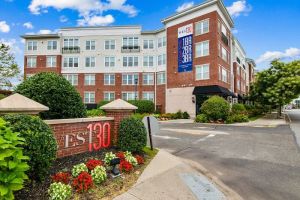
West 130 / 130 west hempstead apartments
West HempsteadNassau CountyNew York
130 Hempstead Ave, West Hempstead, NY 11552, USA
2. Organizing Your Property Portfolio for Success
When managing several properties, organization is key. Maintaining clear records for each property—such as lease agreements, maintenance schedules, and financial details—is essential for efficient management. Consider using property management software to help streamline this process. Many platforms offer features like tenant management, maintenance tracking, and financial reporting, making it easier to stay on top of your obligations. Additionally, it's helpful to categorize your properties by location, type, or income potential to identify trends and make informed decisions.

90W Luxury Apartments / 90w nyc
New YorkNew York CountyNew York
90 Washington St, New York, NY 10006, USA
2.1 Setting Up a System for Property Tracking
Setting up a system to track each property’s income and expenses is essential for successful property management. You can use accounting software or spreadsheets to keep detailed records of rental income, property expenses (e.g., taxes, insurance, maintenance), and any capital improvements. Regularly updating these records will help you identify potential issues early, such as rising maintenance costs or declining rental income, and allow you to take proactive steps.
2.2 Delegating Tasks for Efficiency
Managing multiple properties means juggling various responsibilities, from collecting rent payments to coordinating repairs. Delegating tasks to trusted individuals or hiring a property manager can relieve some of the workload. Hiring a property manager can save you time and ensure that your properties are managed professionally, especially if you own properties in multiple locations or are not experienced in property management.
3. How to Automate Property Management Tasks
Automation is a game-changer when it comes to managing multiple investment properties. With the help of property management software, you can automate tasks like rent collection, lease renewals, and maintenance requests. Many platforms also allow tenants to make payments online, submit maintenance requests, and access important documents, reducing the need for constant communication. This not only saves time but also improves tenant satisfaction by providing a more streamlined, hassle-free experience.
3.1 Rent Collection Automation
Online rent collection is one of the most popular property management tools. It allows tenants to pay rent via credit card, ACH transfer, or other electronic methods, reducing the need for paper checks. This method is efficient, secure, and convenient for both you and your tenants. Additionally, you can set up automatic reminders for tenants to pay rent, reducing late payments and simplifying your cash flow management.
3.2 Maintenance Request Systems
Automating maintenance requests allows tenants to report issues directly through a portal, helping you stay organized and responsive. These systems often allow you to track the status of each request, assign contractors, and follow up with tenants once repairs are complete. This can greatly reduce the time spent on managing maintenance tasks and ensures that repairs are handled efficiently.
4. Working with Property Management Teams
If you choose to hire a property management team, it’s essential to find a reliable partner who understands your investment strategy and goals. Property managers can handle everything from tenant sourcing and screening to maintenance and rent collection. When hiring a property manager, be sure to check references and look for someone with experience in managing multiple properties. Communication is key, so set clear expectations and maintain regular check-ins to ensure your properties are well-managed.
4.1 Finding the Right Property Manager
When searching for the right property manager, make sure they have a strong track record of managing properties similar to yours. Consider asking for referrals from other property owners or checking online reviews. You’ll want someone who is familiar with your area and has experience managing multiple properties to ensure the smooth operation of your portfolio.
4.2 Setting Expectations and Goals
Clearly define your expectations from the start, including communication preferences, reporting requirements, and performance goals. A good property manager will understand these expectations and work diligently to meet them, ensuring that you are kept informed about the status of your properties and tenants.
5. Tracking and Maintaining Your Properties Efficiently
Ongoing maintenance is a key part of managing multiple investment properties. Regular inspections and timely repairs can prevent larger issues and maintain the long-term value of your investments. Set a schedule for property inspections and maintenance to ensure everything is in good working condition. Utilizing a property management system that tracks maintenance requests and schedules can help you stay organized and proactive.
5.1 Regular Property Inspections
Regular inspections allow you to identify potential problems early, such as plumbing issues or electrical faults, before they become costly repairs. Property inspections also give you an opportunity to ensure that tenants are maintaining the property properly and adhering to lease agreements. Consider scheduling inspections every six months or annually, depending on the type of property and its age.
5.2 Timely Repairs and Upgrades
Maintaining your properties means addressing minor repairs before they become major issues. Whether it’s fixing a leaky faucet or replacing worn-out flooring, keeping your properties in good condition ensures tenant satisfaction and prevents more expensive repairs in the future. Additionally, making periodic upgrades to appliances or fixtures can increase the value of your property and attract higher-quality tenants.






 Elite Home Sales Inc4.0 (4 reviews)
 Aime Realty1.0 (1 reviews)
 Arro Home Sales Realty4.0 (9 reviews)
 AST Defeasance0.0 (0 reviews)
 Realty 20004.0 (39 reviews)
 BHHS Fillmore Bay Parkway0.0 (0 reviews)
 Tips for Selling Homes Quickly in Competitive Urban Markets | Luxen House Realty Hub
 How to Sell Your Home Without Making Costly Mistakes
 Understanding the Home Closing Timeline: What Buyers Should Expect
 Tips for Buying Property Near Major Amenities in the U.S.
 How Technology Is Changing the Real Estate Industry
 How to Prepare Your Home for Seasonal Market Changes: Essential Tips