

1. Understanding Real Estate Investment Scams
Real estate investment scams are fraudulent schemes designed to deceive individuals into investing money in fake or misrepresented properties. These scams can take many forms, such as "too good to be true" investment opportunities, fake developers, and inflated property valuations. Understanding the various types of scams is the first step in protecting yourself. Scammers often target both new and experienced investors with promises of high returns and low risk, making it crucial to stay vigilant and informed.

787 Seventh Avenue / 787 seventh avenue new york
New YorkNew York CountyNew York
787 7th Ave, New York, NY 10019, USA
2. Common Red Flags to Watch Out For
Recognizing red flags is key to avoiding real estate scams. Some common warning signs include:
- Unrealistic Promises: If an investment seems too good to be true, it probably is. Be cautious of promises that guarantee high returns with little or no risk.
- Pressure Tactics: Scammers often create a sense of urgency, pressuring you to make quick decisions. Take your time, and always do your due diligence.
- Lack of Transparency: If the seller is unwilling to provide clear and transparent information about the property or investment details, it's a major red flag.
- Unverifiable References: Be wary of deals where references or testimonials cannot be verified. Scammers often use fake testimonials to lure in victims.
3. Research Tips to Avoid Scams
Thorough research is essential in avoiding real estate investment scams. Here are some important steps to take before making any investment:
- Check Property Titles: Verify the ownership and legal status of the property through the local land registry or a reputable attorney. Ensure there are no liens or legal disputes attached to the property.
- Review Market Trends: Research the local real estate market to understand the property's value. Compare the asking price with similar properties in the area to ensure it’s reasonable.
- Consult with Professionals: Work with trusted professionals, such as real estate agents, lawyers, and accountants, who can help you navigate potential scams and assess the legitimacy of an investment.
- Verify Developer Credentials: Always verify the background and reputation of any developer or investment firm. Look for reviews, licenses, and any legal issues that may raise concerns.
4. Real-Life Scams: What Went Wrong
One example of a real estate investment scam involved a fraudulent developer who convinced investors to purchase "luxury condos" in a new development. The developer used fake blueprints and non-existent properties to lure in unsuspecting investors. Many people lost substantial amounts of money when they realized the development was a complete hoax. This case highlights the importance of verifying a developer’s credentials and ensuring that the project is legitimate.
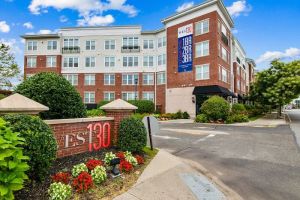
West 130 / 130 west hempstead apartments
West HempsteadNassau CountyNew York
130 Hempstead Ave, West Hempstead, NY 11552, USA
5. How Professional Help Can Protect You
Working with professionals is one of the best ways to avoid real estate investment scams. Real estate lawyers, experienced brokers, and financial advisors can help identify potential risks and protect your interests. At Luxen House Realty Hub, we offer expert guidance to help you make safe and informed investment decisions. Our team ensures that all aspects of the deal are carefully scrutinized, giving you peace of mind and protecting you from fraudulent schemes.




 FD Edwards Real Estate5.0 (3 reviews)
 The Point at Pine Ridge4.0 (143 reviews)
 1ST CLASS REALTY0.0 (0 reviews)
 131 Smith Street5.0 (8 reviews)
 Brown Harris Stevens3.0 (7 reviews)
 Peter Joseph Zelaya Realtor0.0 (0 reviews)
 Tips for Staging Your Home to Sell Quickly
 How to Handle Multiple Home Offers Like a Pro
 Understanding Seasonal Trends in the Housing Market
 How to Navigate Home Financing Options Successfully
 Tips for Selling Property with Multiple Offers Efficiently
 How to Find Hidden Gems in the Real Estate Market